Insights

Follow us and subscribe to our newsletter to keep in touch

AI is MAGIC. Or is it?

A look at what artificial intelligence actually does in public procurement, and where it still falls short.

Arthur C. Clarke once wrote that any sufficiently advanced technology is indistinguishable from magic. He was right. And he was also describing exactly the problem with how most companies approach AI today.

The European public procurement market is no exception. Everyone is talking about AI. Fewer people are being honest about what it can and cannot do. At Hermix, we have been building AI into our platform since day one, using it to help companies like Capgemini, Accenture, Unisys, Fujitsu, Indra, and dozens of others win public contracts. We have learned a lot about where AI delivers real value, where it struggles, and how to close the gap.

Create your free account and start winning public contracts, easier.

The problem AI is actually solving

Public sector sales is expensive. Contractors spend 2-6% of contract value on sales and bidding. Presales managers dedicate up to 50% of their time to finding, reading, and qualifying tenders. Proposals are still largely written by hand. And somewhere in the middle of all that manual effort, good opportunities get missed and bad ones get chased.

The market is also fragmented. Relevant tenders are spread across hundreds of portals across Europe. Finding them takes hours. Reading the specifications takes more hours. Qualifying the opportunity commercially, understanding who has won similar contracts before, what budgets look like, who the competition is, can take days.

That is the problem AI is solving. Not magic. Compression of effort.

What we actually use AI for at Hermix

There is a lot of vague talk about “AI-powered” platforms. We prefer to be specific.

AI and machine learning handle data quality, cleanup, interpretation, scoring, and recommendations. Public procurement data is messy. Company names appear in dozens of variants across different portals. Authorities are duplicated, misclassified, or inconsistently tagged. ML models clean and normalize this at scale, automatically, so that when you search for a buyer or contractor profile, you are looking at accurate consolidated data rather than a fragmented mess.

GPT models analyze tender specifications, extract technical requirements, and support compliance checking. When a tender document runs to 200 or 300 pages, a GPT-powered summarization can produce a structured one-page brief covering objectives, budget, award criteria, required experts, and eligibility conditions in minutes. Our users can open any tender in the platform, click the Summary tab, and read a structured analysis without touching the original document.

AI Chat goes further. Rather than reading a fixed summary, users can ask their own questions directly against the tender document. Which are the experts needed? What is the minimum turnover requirement? How many CVs must be submitted in the technical proposal? The answers come back in seconds, drawn from the actual document, cited and traceable.

SearchGPT powers our authority and contractor profile building. Rather than manually assembling information about a buyer, SearchGPT browses, cleans, and structures publicly available information about buyers and contractors, combining it with our own procurement database to produce deep profiles. For a tender from Frontex, for example, users can instantly see 241 open opportunities worth €3.2 billion, 659 awarded contracts worth €5.6 billion, top preferred suppliers, and 11 contact points, all in one view.

GraphRAG and Deep Reasoning handle the harder problem of large, complex documents and analysis chains that require intermediate reasoning steps. Standard GPT models struggle with very long documents and multi-hop reasoning. GraphRAG addresses this by understanding relationships between entities in a document, not just surface text. Deep Reasoning generates intermediate artefacts and multiple answer paths before arriving at a conclusion. These techniques are what allow Hermix to analyze framework contracts, multi-lot structures, and consortium requirements accurately.

AI classifiers analyze and categorize clarification questions from procurement portals, helping users track and understand the Q&A landscape around active tenders.

What works well, and what does not

This is the part most AI vendors skip. We will not.

AI handles certain tasks with high reliability. Grammar, spelling, and style correction. Summarizing and extracting structured content from documents. Translation across European languages. Compliance checking against stated requirements. Classifying and tagging content at scale. For these tasks, accuracy in our systems runs at 98-99%.

AI struggles with other tasks, and it is important to be direct about this. Generating original ideas is not something current models do well. They recombine existing patterns, they do not invent. Understanding emotional context, cultural subtext, or the unspoken dynamics in a client relationship is beyond current capability. Non-supervised AI running without human review produces unreliable output at a rate that would be unacceptable in a bid process.

There are also technical limitations that affect procurement specifically. Very large documents with dense legal and technical content push the boundaries of context windows. Some less-resourced European languages have less training data and produce less reliable outputs. Scanned or encrypted documents that require OCR before analysis introduce additional error rates. Explainability, being able to trace exactly why an AI produced a particular output, remains a challenge, which matters in regulated procurement environments.

The honest conclusion: AI is a tool. A powerful one when used correctly. A liability when treated as a black box.

The adoption barriers that nobody talks about

Beyond capability, there are practical barriers to using AI in procurement that deserve attention.

Security and privacy concerns are real. Tender documents can contain commercially sensitive information. Regulations around data handling in public procurement are strict, and vary by jurisdiction. Any AI tool used in this context needs to be assessed against these requirements, not assumed to be compliant.

Upfront setup and integration costs are often underestimated. A platform that uses AI well has invested significantly in data pipelines, model selection, tuning, and quality control. That investment is embedded in the product. Building it from scratch in-house is expensive and slow.

User resistance and skills gaps are significant. AI tools require prompt engineering skills to use effectively, and teams that have spent years working with Excel and manual research processes do not automatically adapt. Change management matters as much as the technology.

The question worth asking

Here is the scenario that concerns us most, and it is worth raising openly. AI is now capable of writing procurement documents. AI is capable of writing proposals in response to those documents. AI is capable of evaluating those proposals.

If all three happen simultaneously, what are we actually measuring? The quality of the underlying offer, or the sophistication of the AI used to generate it?

For standard goods and services, price-based evaluation may remain dominant regardless of AI involvement. For complex, creative, or strategic projects, that dynamic is different. The human judgment, the original architecture, the insight about what a buyer actually needs beyond what they wrote in the specification, these remain genuinely human contributions that AI cannot replicate.

The companies that win consistently in public sector do not outsource their thinking to AI. They use AI to compress the effort of finding opportunities, understanding buyers, qualifying commercially, and managing documentation. The strategic judgment remains theirs.

What this means in practice

At Hermix, our AI tools support four stages of the procurement process: discovery, qualification, strategy, and bid orchestration.

Discovery means finding the right tenders faster, across TED, BOSA, Doffin, Germany, the Netherlands, Romania, and EU institution portals, with automated alerts and renewal forecasting so users never miss a relevant opportunity.

Qualification means understanding an opportunity commercially before committing resources to it. Who has won similar contracts? What did those contracts pay? What is the buyer’s history and spending pattern? What does the competitive landscape look like? Our platform answers these questions in minutes from a database covering over 250,000 authorities.

Strategy means market intelligence: buyer profiles, partnership analysis, competition graphs, EC spending data. Understanding where the money is and who the key players are before you decide where to invest your business development effort.

Bid orchestration means AI summarization, AI Chat, document analysis, and compliance checking to reduce the manual burden of the bid process itself.

The result, based on case studies with our users, is an 87% reduction in time spent on market research, a 75% reduction in time for tender analysis, and a 60% reduction in time needed for proposal writing. A four-person team delivers the output of six.

That is not magic. That is what well-implemented AI actually looks like in a complex B2G environment.

Hermix helps companies win public contracts with AI-powered tender monitoring, market intelligence, and bid analysis. Used by Capgemini, Accenture, Unisys, Fujitsu, Indra, Microsoft, and 50+ other companies across Europe. Create your free account at hermix.com/sign-up

AI is Magic


Why 99% of EU companies avoid public contracts (and how technology can change that)

The €2 trillion market that only 1.3% of European businesses dare to enter

33.5 million companies operate across the European Union. Only 400,000 bid for public contracts.

That’s 1.3% participation in a market representing half of Europe’s economy.

The public sector accounts for 53% of the economy. Public procurement alone represents 14% of GDP. We’re talking about a €2 trillion annual market with 250,000 buying authorities across Europe.

Yet the overwhelming majority of European businesses never submit a single bid.

The barrier isn’t capability. The barrier is effort, combined with a market that remains stubbornly difficult to access despite years of policy interventions designed to open it up.

Create your free account and start winning public contracts, easier.

The SME definition and distribution

An SME is a company with fewer than 250 employees and either annual turnover of €50 million or less, or a balance sheet total of €43 million or less.

The distribution of European enterprises breaks down like this:

29.36 million micro enterprises (fewer than 10 employees) represent 87% of all companies. 3.84 million small enterprises (10-49 employees) make up another 11%. 251,000 medium enterprises (50-249 employees) account for 0.8%. Just 55,000 large enterprises (250+ employees) represent 0.2% of the total.

Together, small and micro enterprises employ 48% of the EU’s business workforce and generate 35% of total value added to the economy. Medium enterprises employ 15% of people and generate 16% of value added. Large enterprises, despite being just 0.2% of companies, employ 37% of the labour force and generate 49% of total value added.

The participation gap

When it comes to public procurement, the pattern flips.

All large enterprises participate in public contracts. Most medium enterprises participate. Very few small and micro enterprises do.

By number of contracts awarded, SMEs win 71% according to TED database analysis. In many EU countries, SMEs are awarded around 55-60% of contracts by number (please note that the numbers provided by studies are sometimes divergent, even if the studies are issued by the same authority, e.g. the European Commission).

But contract value tells a different story. SMEs capture only 28-55% of total contract value, depending on the country and analysis method. Medium enterprises secure 15% of value. Small enterprises get 9%. Micro enterprises win just 4% of contract value.

Large enterprises, making up 0.2% of companies, win 29% of contracts by number but capture 45-72% of total contract value.

Some trends show the problem getting worse

A 2014 study examining 2009-2011 procurement data revealed that SMEs won 29% of the total value of above-threshold procurement through direct contracts. When including SME participation as partners in joint bids or subcontractors, the percentage grew to 46%.

This was significantly lower than the 58% which represented SME contribution to GDP during the same period.

Analysis of 2011-2017 data showed that an estimated 61% of public contracts above EU thresholds were awarded to SMEs. The breakdown among SMEs was: micro enterprises won 19% of contracts, small enterprises won 22%, and medium enterprises won 20%.

Despite policies aimed at increasing SME participation, the gap between their economic contribution and their procurement market share has persisted.

Our analysis of European Commission R&D grants shows an even starker concentration. Just 1.5% of beneficiaries receive 57% of the total budget.

Participation rates and dissatisfaction

According to the 2021 SME Needs Analysis in Public Procurement report published by the European Commission, 57.5% of small enterprises across 5 EU member countries have participated in public procurement in the past.

For micro enterprises, 44.7% reported ever participating in public procurement processes.

Here’s the troubling part: 24.3% of small enterprises that participated have no interest in doing so again in the future.

The experience is driving companies away from the market, not drawing them in.

The formal barriers

EU procurement rules are theoretically designed to facilitate SME participation. The policies sound encouraging.

Contracting authorities are formally encouraged to split contracts into lots. They’re asked to reduce unnecessary administrative burden. They’re supposed to accept consortia and subcontracting arrangements.

The European Single Procurement Document (ESPD) was introduced specifically to help SMEs. In theory, companies only submit a self-declaration. Full documentation is requested only from the winning bidder.

In practice, these safeguards are inconsistently applied.

Our analysis of 1.8 million tender notices totaling €9 trillion over 8 years shows that average tender size and lot size do not show a decreasing trend. Contract values remain, on average, high. Turnover requirements sometimes  reach tens or hundreds of millions of euros.

The formal encouragement exists on paper. The practical barriers remain in place.

Entry barriers remain high, but they are not necessarily the biggest barrier to participation. Smaller companies can still participate in tenders and fulfil financial and technical selection criteria, by joining together in consortia, or relying on the capacities of third parties or subcontractors. 

The real killer: effort

The biggest barrier isn’t formal requirements. The biggest barrier is effort and cost.

1. Tender discovery

Finding the right tender requires zero false negatives and minimal false positives. Miss a relevant opportunity, and you lose potential revenue. Chase too many irrelevant opportunities and you waste resources on information noise.

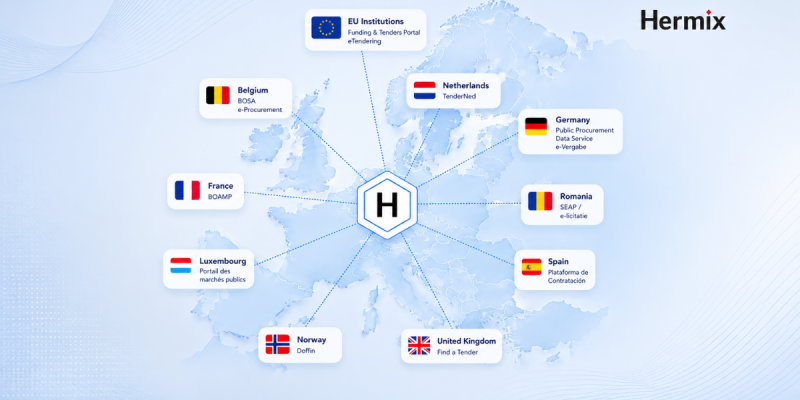
The data landscape is overwhelming. Tender notices are published across TED (Tenders Electronic Daily), national portals like SEAP in Romania, eTendering for EU institutions, Belgium’s BOSA, Netherlands’ TenderNED, Norway’s Doffin, Germany’s procurement portal, and dozens of other platforms.

Finding one relevant opportunity in this haystack takes hours of manual searching. False positives create information noise, wasted effort, and unnecessary cost.

2. Tender qualification

Once you find a tender, qualification begins. 

Technical qualification means reading 30 to 300 pages of specifications, annexes, and requirements. This takes anywhere from 30 minutes for simple tenders to 2 hours for moderately complex ones, and up to 10 hours for the most complex opportunities.

Commercial qualification is worse. You need to search TED, procurement portals, and Google for budgets and past contracts. For a simple tender, this takes 2+ hours. For complex tenders, expect 2-3 days of desk research.

3. Market Intelligence

Then comes proposal writing. A typical bid requires a team of 5 sales employees and 1 presales manager working for 20 days. At average daily rates of €300 for sales and €400 for presales, that’s a €38,000 investment per bid.

Writing tenders costs up to 2% of total contract value for large companies. For SMEs, it can reach 6% of revenues.

A 2019 survey of 179 UK construction firms found that companies winning one in every five projects could be spending up to 22% of operational turnover on sales and presales effort.

The effort required is not proportional to tender value or success rate. Most SMEs run the numbers and walk away.

How Technology Addresses the Problem

The public procurement market needs what already exists in B2C and B2B markets: automated analytics and intelligence.

In consumer and retail sectors, analytics are standard. Google Analytics, Facebook Analytics, LinkedIn Sales Navigator, Salesforce, HubSpot. These platforms provide demographic data, behavioural analysis, and market intelligence as a baseline expectation.

In B2G sales, most companies still use Excel spreadsheets with thousands of manually updated lines.

Modern technology can compress the effort required at every stage.

1. Finding tenders:

AI-powered monitoring across all major portals with smart filtering by country, authority type, CPV codes, funding type, and custom keywords. Daily email alerts deliver only relevant opportunities. Zero false negatives, minimal false positives.

2. Technical qualification: 

Large language models can summarize 300-page specifications into concise summaries. AI chat interfaces answer specific questions about requirements, budgets, expert profiles, and deliverables without reading the full document.

3. Commercial qualification:

Market intelligence platforms analyse millions of public contracts across Europe. They reveal past winners, typical budgets, authority spending patterns, and competitive landscapes. What took 2-3 days of desk research now takes 5 minutes.

4. Partnership analysis:

Graph analysis maps relationships between contractors, identifying consortia patterns, partnership histories, and compatible collaborators. Network graphs show who works with whom, in which markets, with what success rates.

5. Proposal automation: 

AI assists with drafting based on past successful bids, requirement extraction, and compliance checking.

Hermix compresses qualification time by 87% for market research, 85% for tender summaries, and 75% for detailed analysis. It increases relevant opportunity identification by 50%.

Hermix replaces 2-3 persons on your team. A 4-person sales team using Hermix delivers the work of 6 people. The platform replaces 1-4 hours of technical specs analysis per tender and 2+ hours to 2-3 days of commercial qualification.

For proposal writing, the time reduction is 60%. Instead of 20 days, a team works 8 days with AI assistance. That’s €22,800 saved per bid.

The path forward for SMEs

SMEs have strategic options for participating in large tenders despite formal requirements that might seem prohibitive.

Rely on other companies’ capacities. You don’t need to meet all requirements yourself. Demonstrate access to subcontractors, consortium partners, or third parties who fill capability gaps, i.e. technical, financial and economic selection criteria.

Bid as part of a consortium or as a subcontractor. Team up with complementary companies. One partner brings technical expertise, another brings references, a third brings geographic presence. While you might consider some smaller companies as your competitors, sometimes it is better to join forces with them to be able to compete in the Bigger League.

Use technology to compete on efficiency. Tools like Hermix level the playing field. What large enterprises achieve with dedicated presales teams, SMEs can achieve with smart platforms.

Write smarter tenders. The proposal itself has three parts: administrative paperwork, technical proposal, and financial proposal. The compliance check ensures all formal mandatory criteria are met (forms, declarations, turnover, previous project references, experts, certifications).

But winning isn’t about compliance. Winning requires originality and value of the technical proposal, competitive pricing, and demonstrating deep understanding of buyer needs.

People intelligence matters more here than formal requirements. Technology handles the data. Humans provide the creativity and strategic insight that differentiate winning bids.

Market intelligence as competitive advantage

Understanding your buyer before you bid is critical. 

Sales veterans rely heavily on personal knowhow and networking – meeting with partners, clients, participating in industry events. But knowing your market and customer also requires a huge desk effort.

Each Buyer profile includes past tenders, budgets, contract history, types of services typically purchased, budget patterns, timelines, and preferred suppliers – current and past winners of similar contracts in the same market.

Contractor profiles reveal competition strengths, past wins, partnership patterns, and opportunity gaps.

Hermix answers critical questions instantly:

  • Who are my best potential partners?
  • Who are my partners currently working with this Buyer?
  • What is my competition doing?
  • Which are our best markets and target clients?
  • What relevant contracts will expire and will be re-tendered soon??

Real-world impact

The effort required exceeds the possibilities of most SMEs. The barriers feel insurmountable. 

This explains why nearly a quarter of small enterprises that tried public procurement have no interest in participating again.

Technology can fix this, by making public procurement accessible for suppliers.

When a 4-person team can do the work of 6, the economics change. When qualification takes minutes instead of days, more opportunities become viable. When you can identify the right tenders with high win probability, bid selectivity improves.

The B2G market shouldn’t belong only to the largest 1.3% of companies.

Create your free account and start winning public contracts, easier.

Conclusion

The public procurement market is huge, relevant, and systematically avoided by the vast majority of European businesses.

The barriers are real. Finding tenders is hard. Qualifying opportunities is time-consuming. Writing proposals is expensive. Win rates are uncertain.

But the barriers aren’t insurmountable. They’re addressable with modern technology.

AI and machine learning can automate tender monitoring, compress qualification time significantly, provide market intelligence, identify partnerships, and assist with proposal generation.

Companies like Capgemini, IBM, Fujitsu, Indra, OTE, KPMG, Cancom, Wipro, Aricoma, Euroforce, and Technopolis use platforms like Hermix to make public sector sales systematic, efficient, and data-driven.

The opportunity is here. The technology is real. The question is whether your business is ready to compete in the largest market that most companies ignore.

PLEASE NOTE: This article was drafted with the support of AI tools (Claude). We also used GPT5 to support our market research. All content was reviewed and verified manually.

Why 99% of EU Companies Avoid Public Contracts (And How Technology Can Change That)


When can specific brands and technologies be mentioned in public tender specifications

Public procurement often feels like a maze of rules, specifications, and formalities. One common question that arises is whether authorities can mention specific brands in their tenders. The short answer: almost never. The long answer, however, is nuanced. There are at least three levels of exception that shape how and when brands appear in tender documents.

Create your free account and start winning public contracts, easier.

Hard lock-in

In some cases, brand references are unavoidable due to structural realities. An authority can have formal, justified decisions, to use or to prefer a specific technology or product, in all their projects, or for specific projects. E.g. If an authority has been running 400 websites on Drupal for a decade, like the European Commission, they will most probably require the same content management system for a new website. Similarly, if DG Budget runs its ERP on SAP, any maintenance tender will naturally specify SAP.

This is not favoritism. It is a matter of continuity, compatibility, and practical necessity. Systems that have been in place for years cannot be easily replaced without creating significant risk and cost.

Soft lock-in

Sometimes, tender specifications mention the current technology stack, such as: “Current technology stack: Drupal.” In these cases, proposals for alternative solutions are formally allowed. However, the evaluation committees might have a (strong) preference for the current, familiar technologies. Human risk perception plays a role: committees feel more confident approving solutions they already know. Also, adding a new technology or product to the existing stack increases complexity, dependencies, training needs, overall risk. This soft lock-in reflects a preference, not a mandatory requirement – still it influences outcomes.

Hidden preference

Even when no technology is mentioned explicitly, procurement decisions can reflect invisible preferences. Before writing the tender, potential bidders should investigate: 

  • The existing client systems, their technology.
  • Past projects and their technical requirements (if a past relevant project mentioned specific technologies, it might indicate a preference).
  • Methodologies used by the client, requested and/or recommended in the current and past projects.
  • Past contract winners – this often says a lot about technologies.
  • Partnerships in past contracts.
  • Patterns in procurement and contracting. 

Understanding the context behind a tender is as important as reading the written specifications.

Procurement is a lot about unwritten things. Successful bidders recognize these subtle signals and adjust their proposals accordingly, choosing the best technology, solutions, and products for each tender.

Policy driven brand choices

Policy objectives can also justify brand mentions in tenders. Public procurement can include, and often have policy requirements, not only financial and technical – such as developing specific industries, supporting local businesses, creating jobs, supporting disadvantaged communities etc. Projects with high security requirements might block specific countries or technologies. Recently, the European Central Bank has required that all the suppliers of the project Digital Euro should be European companies, but also controlled by European companies – even before the concept of “digital sovereignty” gained popularity. In such cases, brand or origin references are tied to overarching strategic goals, not favoritism.

Conclusion

So, can brands be mentioned in public tenders? Only under specific conditions: formal lock-in, interoperability, or policy objectives. Otherwise, explicit brand references are not allowed. Bidding based solely on written specifications provides an incomplete picture, understanding historical context, existing systems, and subtle preferences completes the puzzle.

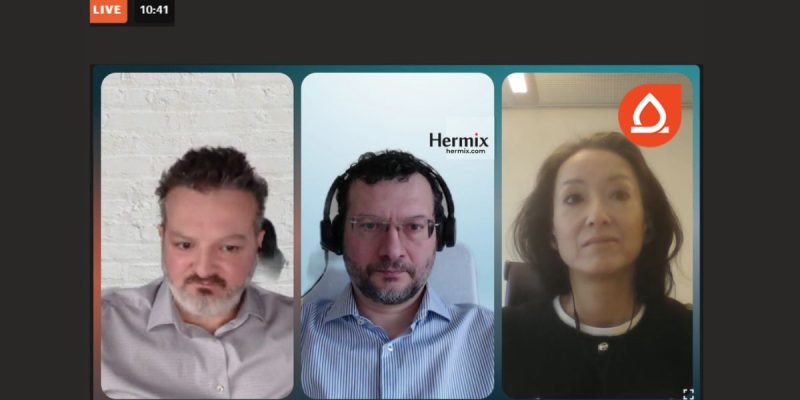
This insight is based on the discussions at Drupal and open source: Unlocking EU public sector opportunities webinar, with Sachiko Muto – the Drupal Association, Ales Kohek – Agiledrop, and Stefan Morcov – Hermix. See the video recording here

Drupal and open source Unlocking EU public sector opportunities with Sachiko Muto, Board Member at Drupal Association & Ales Kohek, Head of client services at Agiledrop


Public Procurement Glossary: Key Terms and Definitions for B2G Sales Success

Understanding the vocabulary and terminology of public sector procurement is essential for thriving in the B2G sector and win government contracts. 

This glossary defines the key terms you’ll encounter when selling to the public sector, from buyers and contractors to opportunities and frameworks. Each term includes its definition, common synonyms, and how Hermix uses these concepts to provide market intelligence.

With this reference guide we try to organise terms by category for easier navigation, as we know how busy life can be at times. 

Whether you’re new to government tendering or an experienced bidder, this glossary helps you understand procurement terminology and how these concepts connect in the B2G market.

Let’s start…

Create your free account and start winning public contracts, easier.

Core B2G Market Concepts

The public procurement market revolves around three fundamental concepts:

Buyer

A public organisation that procures (buys) services, products, or works. Buyers spend money for any type of purpose on the Business-to-Government market.

  • Examples: European Commission, European Parliament, ministries, city councils, NHS trusts
  • Also called: Authority, client, donor, contracting authority, public organisation, public body, public administration, government agency
  • How Hermix uses this: Detailed buyer profiles show procurement history, spending patterns, preferred suppliers, and contract renewal cycles

Contractor

Winner of a procurement procedure (opportunity). Suppliers of services, products, or works to a buyer. Sometimes a contractor is your competitor, sometimes a potential partner.

  • Can be an NGO, private company, or even another public buyer delivering services to other buyers
  • Private contractors typically have VAT code, registered address, phone number, and other official details
  • Also called: Seller, supplier (in a contract award), tenderer, participant (in an opportunity), beneficiary (of a grant)
  • How Hermix uses this: Contractor profiles reveal win history, typical contract values, geographic focus, and partnership networks

Contractor Group

A group of contractors likely to act in a concentrated manner on the public sector market. Multinational corporations are the typical example.

  • Example: IBM Group consists of hundreds of companies and subsidiaries located in 177 countries
  • Each IBM subsidiary is an individual organisation with specific address and registration information
  • All ultimately controlled by single parent company (International Business Machines Corporation, registered in New York)
  • Group members typically don’t compete against each other due to internal policy and formal procurement regulations
  • Also called: Brand
  • How Hermix uses this: Groups are consolidated to show true competitive landscape and avoid miscounting competitors

Opportunity

A business opportunity in the public sector. Typically a procurement procedure for buying specific services or products, but can also be a call for proposals, call for solutions, or grant.

  • May be future, past, possible, open, or closed tenders or other procurement procedures
  • Has one or several lots
  • Can result in no award or in one or several contract awards
  • Also called: Tender, procurement procedure, negotiated procedure, rarely contract or project
  • How Hermix uses this: Automated monitoring alerts you to relevant opportunities matching your criteria across European portals

Procurement Document Types

Notice

Individual piece of official information about procurement. Can be a contract notice, prior information notice, contract award notice, payment information, corrigendum, or addendum to another notice.

  • Also called: Procurement notice, tender notice, contract notice, award notice
  • How Hermix uses this: Monitors notices across multiple portals to provide comprehensive opportunity coverage

Contract Notice

Official announcement of a procurement opportunity containing full tender details, requirements, evaluation criteria, and submission deadlines.

  • Published on official procurement portals
  • Signals start of competitive procurement process
  • How Hermix uses this: Daily alerts notify you of new contract notices matching your filters

Prior Information Notice (PIN)

Advance notification of buyer’s intention to launch future tender. Provides early visibility into upcoming procurement.

  • Allows suppliers to prepare before formal opportunity publishes
  • Not a binding commitment to procure
  • How Hermix uses this: Tracked to provide early warning of upcoming opportunities

Contract Award Notice

Announcement of the winner(s) of procurement procedure. Shows which contractor won, contract value, duration, and key terms.

  • Published after contract signature
  • Provides competitive intelligence about market outcomes
  • How Hermix uses this: Award data reveals competitor performance, pricing benchmarks, and buyer preferences

Corrigendum

Official correction or amendment to published tender notice. Changes requirements, deadlines, or other tender terms.

  • All bidders must be notified of changes
  • May extend submission deadline if changes are significant
  • Ensures all suppliers have access to correct information

Procurement Structure Terms

Lot

A tender may have several lots. Contractors can typically apply to each lot independently. Each lot is awarded to one or several contractors or consortia.

  • Separate requirements and budget for each lot
  • Allows smaller suppliers to compete for portions of larger contracts
  • Buyers often reserve lots specifically for SMEs
  • How Hermix uses this: Lot structure shown in opportunity details

Consortium

A grouping of contractors that participate together in a procurement opportunity to sign jointly a single contract with the contracting buyer.

  • Formed of several contractors called consortium members
  • First contractor in consortium typically called consortium leader
  • Combines capabilities to meet requirements no single company satisfies
  • Also called: Grouping, association, partnership
  • How Hermix uses this: Partnership analysis shows which companies collaborate in consortia

Contract Award

The result of a procurement procedure (opportunity). A contract is awarded by a buyer to one or several contractors or consortia composed of several contractors.

  • Specifies contract value, duration, and key terms
  • Multiple awards possible if tender had multiple lots
  • Also called: Contract
  • How Hermix uses this: Historical awards provide intelligence on buyer patterns and competitor performance

Contract

The result of a contract award. In each lot, the order of the contracts is usually important. Execution is usually cascaded from the first contract to the last.

  • Defines obligations, deliverables, payment terms, and performance requirements
  • May be single contract or part of framework agreement
  • Order matters when multiple contracts awarded in same lot

Framework Agreement

A contract that is executed through several individual independent orders or specific contracts.

  • Establishes terms applying to multiple purchases during contract period
  • Typically runs 2-4 years with estimated total value
  • Individual orders called specific contracts, call-offs, or purchase orders
  • Also called: Framework contract
  • How Hermix uses this: Framework awards tracked to show market access patterns

Purchase Order

Parts of a framework contract. Individual orders placed under the framework terms.

  • Also called: Order, specific contract, specific request
  • Uses terms established in parent framework
  • May involve mini-competition amongst framework suppliers

Procurement Procedure Types

Open Procedure

A procurement procedure where any qualified supplier can submit a bid. No pre-qualification stage required.

  • Most transparent and competitive procurement type
  • All evaluation criteria must be published upfront
  • Common for straightforward, well-defined requirements
  • Suitable for goods and simple services
  • How Hermix uses this: Procedure type shown in opportunity details to help you understand competition level

Restricted Procedure

A two-stage procurement process. First stage pre-qualifies suppliers, second stage invites only selected suppliers to submit full bids.

  • Stage 1: Suppliers submit Selection Questionnaire showing capability
  • Stage 2: Shortlisted suppliers (typically 3-5) invited to tender
  • Used for complex requirements requiring proven capability
  • Reduces evaluation burden on buyers
  • How Hermix uses this: Historical use of restricted procedures by authority indicates they favour proven suppliers

Create your free account and start winning public contracts, easier.

Competitive Dialogue

An iterative procurement process for complex requirements where the solution isn’t predetermined. Buyer conducts dialogue with shortlisted suppliers to develop solutions.

  • Multi-stage process with successive rounds
  • Allows refinement of requirements through dialogue
  • Used for major infrastructure, complex IT systems
  • Eventually leads to final tender based on developed solution
  • Also called: Competitive procedure with negotiation

Negotiated Procedure

A procurement procedure where the buyer negotiates terms with one or more suppliers rather than evaluating fixed proposals.

  • May be with or without prior publication
  • Used in specific circumstances (extreme urgency, technical exclusivity, etc.)
  • Less common due to transparency requirements
  • Often requires justification for use

Dynamic Purchasing System (DPS)

An electronic system for commonly purchased items that remains open to new suppliers throughout its duration.

  • Suppliers can join at any time during system lifetime
  • Individual competitions run within the DPS
  • Common for IT services, consultancy, office supplies
  • Reduces procurement timescales for repeat purchases
  • Also called: DPS

Invitation to Tender (ITT)

Formal invitation to submit a bid. UK term broadly equivalent to Request for Proposal.

  • Contains full tender specifications and requirements
  • Includes evaluation criteria and weighting
  • Specifies submission deadline and format
  • Also called: ITT
  • How Hermix uses this: ITT documents from EU Funding Portal can be downloaded as ZIP files

Grant-Related Terms

Grant

A sum of money given by a government or other organisation for a particular purpose.

  • Specific type of opportunity aimed to fulfil needs of the contractor
  • Contractors typically called beneficiaries
  • Buyer also called donor
  • Evaluation criteria differ from traditional procurement
  • How Hermix uses this: Grant opportunities monitored alongside traditional procurement

Beneficiary

In the grant context, the contractor receives grant funding. Delivers project outcomes using grant funds.

  • Subject to reporting and compliance requirements
  • Can be NGO, research institution, or private company

Donor

In the grant context, the buyer provides grant funding. Sets grant priorities and evaluation criteria.

  • Examples: European Commission research programmes, national innovation agencies

Pilot Project

Mixed project opportunity combining characteristics of both grants and tenders. Finances a private entity to fulfil a general public interest need.

  • Tests innovative approaches before wider implementation
  • May lead to subsequent larger procurement opportunities
  • Sometimes called programmes when very large in scale

Classification and Categorisation Terms

Industry

Largest classification level for services and products procured on the public sector market. Contains domains and topics. Forms part of hierarchical classification structure.

  • Examples: Construction, IT
  • If an opportunity is classified to specific topic, it is automatically classified to parent domain and parent industry
  • Also called: Vertical
  • How Hermix uses this: Filter opportunities by industry to find relevant tenders

Domain

Contains a grouping of topics (CPV codes) as defined by official Common Procurement Vocabulary. Direct correspondent of CPV division in official classification.

  • Example: For Construction industry, domain is “Architectural, construction, engineering”
  • Full official specifications available at official CPV documentation
  • Also called: CPV division
  • How Hermix uses this: Refine searches within industries to specific domains

Topic

Specific classifications of all public procurement services or products, as defined by official Common Procurement Vocabulary.

  • Most detailed classification level
  • Example: For Construction industry, in “Architectural, construction, engineering” domain, topic is “Architectural and related services”
  • Full official specifications available at official CPV documentation
  • Also called: CPV code
  • How Hermix uses this: Search by topic for precisely targeted opportunities

Market Analysis Terms

Fragmentation

Measures the degree of diversity of project opportunities on a specific market segment. Shows diversity of buyers and opportunities.

  • Indicates how many and how varied or diverse are opportunities, products, services, delivery locations on specific market segment
  • High fragmentation means many diverse opportunities
  • Low fragmentation means concentrated, similar opportunities
  • How Hermix uses this: Analytics show market fragmentation to assess opportunity diversity

Diversification

Measures the level of competition on a specific market. Shows degree of diversity of the market from the point of view of contractors.

  • Low diversification means few suppliers (less competition)
  • High diversification means heavy competition
  • Indicates how many suppliers are active on specific market segment, from how many different locations services and products are delivered
  • How Hermix uses this: Competitive analysis reveals market diversification patterns

Renewals

Opportunities for contracts that have specific duration and which are likely to be continued through another procurement opportunity very similar to the initial one.

  • Occur when existing contracts expire
  • Typically similar requirements to original procurement
  • Predictable based on contract duration
  • How Hermix uses this: Renewal forecasting shows when contracts expire and retendering likely occur

Organisational Terms

Contracting Authority

A public body with legal authority to conduct procurement. Must follow procurement regulations when spending public money.

  • Also called: Buyer, authority, public body
  • Examples: Government departments, local councils, NHS trusts, universities
  • How Hermix uses this: Authority profiles show complete procurement history and patterns

Public Bodies

Organisations in the public sector that may conduct procurement. Includes central government, local authorities, devolved administrations, and other public sector organisations.

  • Subject to public procurement regulations
  • Must ensure transparency and competition
  • How Hermix uses this: Coverage across all public body types

SME (Small and Medium-Sized Enterprise)

Companies with fewer than 250 employees and turnover under €50 million.

  • Public sector increasingly focuses on SME participation
  • May face barriers around qualification requirements
  • Often access opportunities through lots or consortium membership
  • Also called: Small and medium-sized enterprises
  • How Hermix uses this: Data helps SMEs identify SME-friendly buyers and appropriately sized opportunities

Evaluation and Award Terms

MEAT (Most Economically Advantageous Tender)

Evaluation approach balancing quality and price, not just selecting lowest cost. Considers whole-life value and benefits.

  • Replaced by “most advantageous tender” in Procurement Act 2023
  • Typical weightings: 60-70% quality, 30-40% price
  • Reflects value for money rather than just cheapest price
  • Standard approach for services and complex goods
  • Also called: Most advantageous tender, quality-price evaluation

Award Criteria

Published factors used to evaluate and score proposals. Must be stated in tender documents.

  • Examples: Technical approach, relevant experience, team qualifications, pricing
  • Each criterion has defined weighting
  • Must be objective and related to contract subject matter
  • Cannot discriminate against any supplier type
  • How Hermix uses this: Historical analysis reveals which criteria specific buyers weight most heavily

Weighting

Points or percentage allocated to each evaluation criterion, showing relative importance.

  • Example: Technical 40%, Experience 20%, Team 15%, Price 25%
  • Must be published in advance
  • Guides bidders on where to focus proposal effort
  • How Hermix uses this: Past tender analysis shows typical weighting patterns by authority and contract type

BAFO (Best and Final Offer)

Final round where shortlisted bidders are invited to improve their offers after initial evaluation.

  • Typically requested from top 2-3 ranked bidders
  • May involve clarification meetings before BAFO submission
  • Cannot introduce new requirements at this stage
  • Final scores determine winner
  • Also called: Best and final offer, final tender

Pass/Fail Criteria

Mandatory requirements that automatically disqualify non-compliant bids regardless of other strengths.

  • Examples: Required certifications, insurance minimums, security clearances
  • No discretion in application
  • Must be clearly identified in tender as mandatory
  • Also called: Mandatory requirements, essential criteria, minimum standards

Technical Capacity

Ability to deliver the required technical solution based on qualifications, experience, and resources.

  • Demonstrated through case studies, certifications, facilities
  • May require specific technical accreditations
  • Often includes CVs of key personnel
  • Part of supplier qualification assessment

Economic and Financial Standing

Financial stability requirements ensuring contractor can deliver without financial failure risk.

  • Typical requirements: Minimum turnover (often 2x contract value), specific insurance levels, credit ratings
  • May require audited accounts, bank references
  • Parent company guarantees can satisfy requirements
  • Protects buyer from contractor insolvency during delivery

Qualification and Selection Terms

PQQ (Pre-Qualification Questionnaire)

First stage document assessing supplier capability before invitation to tender. Used in restricted procedures.

  • Assesses technical capacity, financial standing, relevant experience
  • Determines who progresses to ITT stage
  • Typically results in 3-5 suppliers being shortlisted
  • Also called: Pre-qualification questionnaire, expression of interest stage
  • How Hermix uses this: PQQ usage by authority indicates preference for proven suppliers

SQ (Selection Questionnaire)

Standard UK form for supplier qualification, replaced previous PQQ formats to create consistency.

  • Part of Procurement Act 2023 standardisation
  • Covers exclusion grounds, selection criteria, insurance, financial standing
  • Intended to reduce burden on suppliers
  • Also called: Selection questionnaire, standard selection questionnaire

Exclusion Grounds

Reasons a supplier can be rejected from procurement regardless of their proposal quality.

  • Mandatory grounds: Criminal convictions, tax non-compliance, insolvency
  • Discretionary grounds: Poor past performance, serious misrepresentation, conflicts of interest
  • Must be declared by suppliers in SQ
  • Can result in automatic exclusion from competition

Turnover Requirements

Minimum revenue levels contractors must demonstrate to qualify for tender.

  • Commonly 2x annual contract value, sometimes 3x
  • Assessed over 2-3 year period
  • Can be aggregated across consortium members
  • May be challenged as disproportionate barrier to SMEs
  • How Hermix uses this: Historical turnover requirements help SMEs identify accessible opportunities

Financial and Commercial Terms

Performance Bond

Financial guarantee (typically 5-10% of contract value) that contractor will deliver according to terms.

  • Bank or insurance company issues bond
  • Buyer can claim against bond for non-performance
  • Returned after successful contract completion
  • Common for construction and high-value contracts
  • Also called: Contract bond, tender bond

Parent Company Guarantee

Legal commitment from parent company to back subsidiary’s contract obligations.

  • Allows subsidiary to satisfy financial standing requirements
  • Parent guarantees payment if subsidiary defaults
  • Common when subsidiary’s turnover doesn’t meet requirements
  • Must be properly executed legal document
  • Also called: PCG, corporate guarantee

Insurance Requirements

Mandatory coverage levels contractors must maintain throughout contract delivery.

  • Professional indemnity: Typically £1-10 million depending on contract
  • Public liability: Typically £5-10 million
  • Employers’ liability: Minimum £5 million (UK legal requirement)
  • Must be in place before contract commencement
  • How Hermix uses this: Historical analysis shows typical insurance requirements by authority and contract type

Retention

Percentage of payment (typically 5-10%) withheld until satisfactory contract completion or defects period.

  • Released after successful delivery and acceptance
  • Protects buyer against defects or incomplete delivery
  • Common in construction, less common in services
  • Also called: Retention money, holdback

Payment Terms

Contractual terms defining when and how contractor receives payment.

  • Public sector typically: 30 days from invoice
  • May be milestone-based or time-based
  • Some authorities commit to faster payment (10-14 days)
  • Late payment interest applies under UK law
  • How Hermix uses this: Contract terms visible in awarded contracts

Timeline and Process Terms

Standstill Period

Mandatory 10-day pause between award decision notification and contract signature, allowing unsuccessful bidders to challenge.

  • Required for above-threshold contracts
  • Starts when all bidders notified of decision
  • Contract cannot be signed during standstill
  • Allows time for procurement challenge
  • Also called: Alcatel period, cooling-off period, voluntary standstill (for below-threshold)

Contract Commencement Date

When delivery must start and contractor obligations begin.

  • Specified in contract or determined after signature
  • May be several weeks after signature (mobilisation period)
  • Important for resource planning
  • How Hermix uses this: Contract dates shown in awarded contracts help forecast when retendering likely

Contract Period

Duration from commencement to end date, excluding any extension options.

  • Typical durations: 1-5 years depending on contract type
  • Must be stated in tender documents
  • Separate from extension options which may add 1-2 years
  • How Hermix uses this: Contract duration data powers renewal forecasting calendar

Extension Option

Pre-agreed ability in original contract to extend duration without new competition.

  • Must be specified in original tender (cannot add later)
  • Typically 1-2 years additional duration
  • Usually at buyer’s discretion, not automatic
  • Counts toward total contract value for threshold calculation
  • How Hermix uses this: Extension options tracked to forecast actual contract end dates

Post-Award Management Terms

KPIs (Key Performance Indicators)

Metrics measuring contractor performance against defined standards throughout contract delivery.

  • Examples: Response times, uptime percentages, customer satisfaction scores
  • Specified in contract with target levels
  • May be linked to payment (performance deductions)
  • Reported regularly (monthly/quarterly)
  • Also called: Key performance indicators, performance metrics

Service Levels

Required performance standards defining acceptable delivery quality.

  • Example: 99.5% system availability, 4-hour response time
  • Breach may trigger service credits or remedies
  • More specific than general KPIs
  • Form part of contract monitoring
  • Also called: Service level agreements, SLAs

Contract Management

Ongoing oversight of contract delivery ensuring contractor meets obligations and buyer gets value.

  • Includes performance monitoring, issue resolution, change management
  • Usually assigned contract manager on buyer side
  • Regular review meetings between parties
  • Critical for successful delivery

Variation

Formal change to contract scope, price, or terms after signature.

  • Requires written agreement from both parties
  • Significant variations may require new procurement (avoid circumventing rules)
  • Must be justified and documented
  • May extend contract value or duration
  • Also called: Contract variation, change order, amendment

Contract Mobilisation

Period between contract signature and service commencement where contractor sets up delivery capability.

  • Typical duration: 4-12 weeks depending on complexity
  • Activities: Staff recruitment, system setup, training, transition from incumbent
  • May have specific mobilisation deliverables
  • Critical for smooth contract start
  • Also called: Mobilisation period, transition period

Subcontracting and Supply Chain Terms

Prime Contractor

Main contractor holding the contract directly with the buyer and responsible for overall delivery.

  • Legal relationship with buyer
  • Manages subcontractors
  • Carries delivery risk
  • Also called: Prime, main contractor, lead contractor

Subcontractor

Company delivering part of contract scope under the prime contractor, not directly contracted to buyer.

  • Contractual relationship with prime, not buyer
  • May be specialists for specific work elements
  • Must often be declared in bid
  • Buyer may have approval rights
  • Also called: Sub-contractor, supply chain partner

Tier 1 Supplier

Prime contractor level with direct contract to buyer.

  • First tier in supply chain
  • Holds overall delivery responsibility
  • Also called: Tier 1, first tier

Tier 2/3 Suppliers

Subcontractors (Tier 2) and sub-subcontractors (Tier 3) in the delivery supply chain.

  • Tier 2: Subcontractors to prime
  • Tier 3: Sub-subcontractors to Tier 2
  • Further removed from buyer relationship
  • How Hermix uses this: Consortium analysis reveals prime-subcontractor relationships and typical supply chain structures

Supply Chain

Network of companies involved in delivering the contract, from prime through all subcontractor tiers.

  • Includes all Tier 1, 2, 3+ suppliers
  • Buyers increasingly require supply chain transparency
  • May have specific SME or local supplier requirements
  • Also called: Value chain, delivery chain
  • How Hermix uses this: Partnership graphs visualise supply chain relationships across multiple contracts

Additional Terms

Alias

A different name for exactly the same organisation. Both contractors and buyers have aliases.

  • Examples: Abbreviations, trading names, former names, legal name variations
  • How Hermix uses this: Aliases consolidated to show complete organisation history under unified profile

EC (European Commission)

The executive branch of the European Union. Major buyer of goods and services across all member states.

  • Publishes thousands of tenders annually
  • Uses specific procurement portals like eTendering and EU Funding Portal

FTS (Financial Transparency System)

Financial Transparency System of the European Commission. Database showing EC payments and contracts.

  • Covers grants, contracts, and other financial commitments
  • Provides historical data on EC spending patterns going back 19 years
  • How Hermix uses this: FTS data integrated to provide complete view of EC procurement and analyse partnerships

Project

A business project implemented through several contracts, some in parallel, some subsequent. Large projects sometimes called programmes.

  • Multiple related contracts delivering single objective
  • Can span several years and involve multiple contractors
  • Also called: Programme (for very large projects)

Programme

Very large business project implemented through several contracts. Similar to project but larger in scale.

Legal and Compliance Terms

Procurement Challenge

Legal challenge to procurement decision, claiming process was flawed or unlawful.

  • Must be raised during standstill period or within 30 days
  • Grounds: Breach of procurement regulations, unfair evaluation, inadequate reasons
  • Can result in contract set aside or damages award
  • Relatively rare but significant risk for authorities
  • Also called: Legal challenge, procurement dispute

Remedies Directive

EU law (retained in UK) allowing challenges to procurement procedures and providing remedies for breaches.

  • Gives suppliers right to challenge before and after contract award
  • Sets time limits for challenges
  • Defines available remedies (set aside contract, damages)
  • Enforced through High Court

Transparency

Requirement to publish procurement information publicly, ensuring openness and accountability.

  • Includes tender notices, award notices, contract details
  • Published on Contracts Finder, Find a Tender, authority websites
  • Contract values, winners, and key terms must be public
  • Core principle of public procurement
  • How Hermix uses this: Transparency requirements enable comprehensive market intelligence by making data publicly accessible

Non-Discrimination

Principle that all suppliers must be treated equally regardless of nationality, size, or other characteristics.

  • Cannot favour local/national suppliers in evaluation
  • Cannot set unnecessary barriers favouring specific suppliers
  • Evaluation criteria must be objective and justifiable
  • Core principle of fair competition

Public Contracts Regulations 2015

UK law governing public procurement from 2015 until Procurement Act 2023 implementation.

  • Transposed EU procurement directives into UK law
  • Defined procedures, thresholds, remedies
  • Largely replaced by Procurement Act 2023 (from late 2024)
  • Still governs contracts awarded before new Act implementation
  • Also called: PCR 2015, 2015 Regulations

Value and Social Impact Terms

Social Value

Benefits beyond core service delivery, such as jobs, apprenticeships, community investment, or local economic impact.

  • Weighted criterion in many evaluations (typically 10-20%)
  • Required consideration under Public Services (Social Value) Act 2012
  • Examples: Creating apprenticeships, supporting local SMEs, reducing carbon
  • Becoming more prominent in Procurement Act 2023
  • Also called: Added value, community benefits, wider benefits

Sustainability Criteria

Environmental requirements and evaluation factors addressing climate and ecological impact.

  • May include carbon reduction targets, circular economy, biodiversity
  • Increasingly weighted in evaluations
  • May be pass/fail requirement or scored criterion
  • Net zero commitments driving stronger sustainability requirements
  • Also called: Environmental criteria, green criteria

Local Suppliers

Companies based in or near the contracting authority’s area, often receiving preference in evaluation.

  • May be evaluation criterion (especially for local authorities)
  • Defined by geographic boundary (e.g., within region/county)
  • Must not discriminate against other UK or EU suppliers
  • Often linked to social value objectives

SME-Friendly

Procurement structured to enable small and medium-sized enterprise participation.

  • Features: Appropriate lot sizes, proportionate qualification criteria, simplified processes
  • May include reserved lots for SMEs
  • Avoids unnecessarily high turnover or experience requirements
  • Government target: 33% of spend with SMEs
  • How Hermix uses this: Authority profiles show SME award patterns, helping small suppliers target SME-friendly buyers

Hermix-Specific Platform Features

AI Tender Summarisation

Hermix feature that extracts key information from lengthy tender documents in minutes.

  • Analyses 100-300 page documents automatically
  • Extracts: Requirements, budget, evaluation criteria, deadlines, mandatory requirements
  • Reduces document analysis time from 2-4 hours to 5 minutes
  • Enables faster opportunity qualification
  • Also called: Tender summarisation, AI summarisation

AI Chat

Interactive feature allowing you to ask specific questions about tender requirements and get instant answers.

  • Ask questions like “What certifications are mandatory?” or “How many case studies required?”
  • Extracts answers from tender documents automatically
  • Saves time searching through hundreds of pages
  • Available for tenders across multiple procurement portals
  • Also called: AI assistant, tender chat

Opportunity Flags

Labels and categories you can assign to opportunities for team tracking and workflow management.

  • Custom flag names (e.g., “High Priority”, “Qualified”, “Bidding”, “Won”, “Lost”)
  • Shared across team members in your organisation
  • Enables systematic opportunity tracking
  • Integrates with Kanban board for visual management
  • Also called: Tags, labels

Kanban Board

Visual workflow board for managing flagged opportunities through your bid process stages.

  • Drag opportunities between columns (e.g., “To Qualify” → “Qualified” → “Bidding” → “Submitted”)
  • Filter by team member, flag, or deadline
  • Provides overview of entire pipeline
  • Customisable columns and flags
  • Also called: Flags board, opportunity board

Saved Reports

Pre-configured searches and filters you can save and reuse for quick access to relevant information.

  • Save complex filter combinations (geography, industry, authority type, contract value)
  • One-click access to your most important reports
  • Can be shared with team colleagues
  • Library of standard templates available
  • Saves time versus rebuilding searches repeatedly
  • Also called: Bookmarks, saved searches

Daily Alerts

Email notifications of new opportunities matching your criteria, delivered each morning.

  • Configure filters: Keywords, industries, countries, authority types, CPV codes
  • Receive multiple alerts per day if needed (morning and afternoon)
  • Ensures you never miss relevant opportunities
  • Alerts sent within hours of publication on source portals
  • Also called: Email alerts, opportunity alerts, notifications

Authority Profile

Complete procurement history and analysis for a specific buyer organisation.

  • Shows: All past tenders and contracts, spending patterns, preferred suppliers, typical contract values
  • Includes geographic coverage, procurement frequency, domain focus
  • Helps assess buyer fit before bidding
  • Reveals buyer preferences and patterns
  • Also called: Buyer profile, client profile

Contractor Profile

Win history and market analysis for a specific supplier organisation.

  • Shows: All contract awards, buyers they work with, typical values, geographic focus
  • Includes win rates, partnership patterns, domain specialisation
  • Enables competitive intelligence on rivals
  • Identifies potential partners
  • Also called: Supplier profile, competitor profile

Partnership Analysis

Feature showing which contractors form consortia together and their collaboration patterns.

  • Visualises frequent partnerships
  • Shows consortium leader patterns
  • Identifies potential partners for your bids
  • Reveals competitive threats from established partnerships
  • Based on historical contract award data
  • Also called: Consortium analysis, collaboration analysis

Competition Graph

Visualisation of market relationships and patterns between buyers, contractors, and opportunities.

  • Network graph showing connections
  • Node sizes indicate activity levels
  • Reveals market structure and key players
  • Customisable depth and scope
  • Also called: Market network, relationship graph

Renewal Calendar

Visual timeline of contract expiration dates with forecasts of likely retendering opportunities.

  • Shows when existing contracts expire
  • Predicts retendering based on contract duration
  • Gives months of advance notice before tender publishes
  • Allows strategic preparation for recompetitions
  • Sorted by date or contract value
  • Also called: Contract renewal forecast, expiry calendar

Market Analytics

Analysis of spending patterns, trends, and opportunity distribution across the public sector.

  • Shows: Spending by domain/industry/geography, market growth/decline, authority activity levels
  • Identifies largest opportunities and most active buyers
  • Reveals market trends over time
  • Informs business development targeting
  • Also called: Market intelligence, spending analysis

Win Rate

Percentage of bids won versus submitted, key performance metric for bid success.

  • Track your performance over time
  • Compare across opportunity types, buyers, contract sizes
  • Industry average: 15-20% without intelligence, 40-60% with intelligence
  • Identifies where you’re most competitive
  • Also called: Success rate, conversion rate

Pipeline

Collection of opportunities you’re tracking, qualifying, or actively pursuing.

  • Organise opportunities by stage: Watching, Qualified, Bidding, Submitted
  • Forecast potential contract value
  • Manage team workload and capacity
  • Integrates with flags and Kanban board
  • Also called: Opportunity pipeline, sales pipeline

Opportunity Qualification

Systematic process of assessing whether to bid on a tender before investing significant resources.

  • Assess: Buyer fit, competition, win probability, resource requirements
  • Use historical data: Past winners, typical pricing, buyer preferences
  • Make go/no-go decisions based on intelligence
  • Improves win rates by focusing on high-probability opportunities
  • Also called: Bid qualification, go/no-go assessment

How Hermix Connects These Concepts

Hermix connects buyers, contractors, and opportunities to form a complex graph. The platform calculates advanced parameters and characteristics, mapping and analysing the market in detail with its various relations, patterns, clusters, and affinities.

The connection model:

  • A buyer creates opportunities
  • An opportunity is formed of several lots
  • For each lot, contracts are awarded to a contractor or to a consortium
  • Hermix maps all these relationships systematically

What this means in practice:

  • When you view a buyer profile, you see all their opportunities and which contractors they award to
  • When you view a contractor profile, you see all their wins and which buyers they work with
  • When you view an opportunity, you see the buyer’s history and likely competitors based on past awards
  • Partnership analysis shows which contractors form consortia together
  • Competition graphs visualise market relationships and patterns
  • Market analytics reveal fragmentation, diversification, and trends across segments

This interconnected approach transforms individual data points into actionable intelligence that helps you qualify opportunities, understand competition, price appropriately, and target business development effectively.

Create your free account and start winning public contracts, easier.

Key Takeaways: Essential B2G Terminology

  • Three core concepts form the foundation of public procurement: buyers who spend money, contractors who receive money, and opportunities that connect them
  • Buyers create opportunities which may have multiple lots, each resulting in contract awards to contractors or consortia
  • Contractor groups consolidate multiple subsidiaries under single brands to show true competitive landscape rather than fragmenting one company across hundreds of legal entities
  • Different notice types serve specific purposes from prior information notices signalling future opportunities to contract award notices revealing competition outcomes
  • Lots allow buyers to divide large contracts into smaller portions accessible to SMEs and specialist suppliers who cannot deliver entire scope alone
  • Consortia enable contractors to combine capabilities and jointly pursue opportunities requiring skills or capacity no single company possesses
  • Framework agreements establish terms for multiple purchases over contract period, with individual orders called specific contracts or purchase orders
  • Contract execution order matters with contracts cascaded from first to last when multiple awards made in same lot
  • Grants differ from traditional procurement with beneficiaries receiving funding from donors rather than contractors providing services to buyers
  • CPV classification provides standardised hierarchy of industries, domains, and topics enabling consistent categorisation across European public procurement
  • Fragmentation measures opportunity diversity whilst diversification measures competition levels, both informing market attractiveness assessment
  • Hermix connects these concepts systematically to provide market intelligence, revealing relationships, patterns, and insights invisible when viewing data points in isolation
  • Understanding terminology improves efficiency in finding relevant opportunities, qualifying them effectively, and positioning competitive proposals based on buyer patterns and competitor intelligence

Public Procurement Glossary Key Terms and Definitions for B2G Sales Success

A Year of Progress Powered by Partnership

We had an incredible journey in 2025, full of new clients, features, and strong partnerships, helping companies win public contracts through AI-driven tender monitoring, analysis and real-time market intelligence.

Hermix Highlights Over the Last Year

  • Hermix is now available in French.
  • AI data enrichment. Company and buyer profiles now include smart organization descriptions.
  • Smart Contractor Score helps you quickly see how well you’re positioned for each tender opportunity.
  • AI-powered Q&A classification: our AI organizes and classifies clarification questions to make them easier to find and read.
  • Buyer & partner tags. Mark, categorize and monitor buyers and contractors with your custom tags – e.g., EU agency, client, partner, competitor. Create your own tags. Use tags to filter your reports.
  • My AI summarization. You can now upload your own private documents (PDFs, docs) and get a clear, AI-generated summary of your own tender specifications.
  • Multiple email tender alerts per day – configurable from your notifications settings.
  • The Kanban board can now be filtered by opportunity owner, flag, status, or deadline.
  • Personalized AI Tender Chat, in Opportunity profiles. Chat with our AI for instant, detailed tender insights.
Hermix new feature-french

We’ve got new data sources

We now also cover NATO tenders, and UK tenders, besides TED (including all EU countries, EU and international institutions), e-tendering, EU Funding portal, Belgium BOSA, Netherlands TenderNed, Romania, Norway, Germany, Spain, France, and others. UN and Luxembourg local tenders also coming soon.

Our event presence

In the last year, Hermix attended several key events, such as Nexus Luxembourg, AI Cannes Conference, EIPA, and Endeavor.

Hermix took the stage for the first time at the World AI Cannes Festival, where CEO Stefan Morcov spoke on stage with the presentation “Transforming public procurement with AI”. Check out more here.

We hosted several webinars on key topics such as:

  • Data governance and AI in the public sector & procurement live webinar with Michel Bosco, PhD Eng, Assoc. Prof., Université Côte d’Azur & Joep Crompvoets, Prof. Dr. Eng., KU Leuven Click here to see the webinar.
  • From the Funding of today to the tenders of tomorrow with industry experts Gerard McNamara and Anca Calugaru. See more details.
  • News, Demo & training webinar with Stefan Morcov. You can watch it here.
  • We were invited to co-host a webinar with Thomas Witting, CEO Wittigonia, on the theme: AI-driven methods and tools for winning public tenders and projects. See details.

View our past webinars and see what’s scheduled for 2026.

We thrive on competition. We won the EU Datathon 2022 and received Deloitte & Google awards in 2022, 2023 and 2024.

Create your free account and start winning public contracts, easier.

Inside Client Success

  • Capgemini and Unisystems won a €6.6 million contract for IT Operations, Engineering and Evolution services.
  • Hermix supported ARHS, Aricoma (Qinshift), Fincons, Thaleria, Unisys, Westpole, and VASS through the awarded DG TAXUD contract for “Provision of external service providers.”
  • Aricoma, Cleverlance Autocont, Engineering Group, Fincons, Qualco, Seidor, and Trasys won the European Parliament IT services contract.

Hermix empowered them to monitor opportunities, gain market insights, and make real-time decisions that secured their wins.

Partners who value our impact

We’re grateful to partner with an ever-growing number of companies. Our newest clients are Tata Consultancy Services, Kypertech, Asseco, Bento, Kyndryl, Mainstrat, Gopa, Choose Ad.

We’re honored to be part of Microsoft for Startups, Amazon AWS Activate, the NVIDIA Inception program, and Eureka Eurostars, and to partner with prestigious institutions such as EuropIA, the University of Luxembourg, the University of Bucharest, and KU Leuven.

Client appreciation

We have clients from Belgium, Luxembourg, Italy, Germany, UK, Spain, Greece, Portugal, France, US, India, Netherlands, Sweden, Poland, Czechia, Romania.

“Hermix is a very powerful solution. I see real benefits from using it in my work, it’s intuitive, effective, and simply makes sense. I have spent many hours looking for tenders in the past. Now with Hermix, it’s super easy to monitor and identify interesting tenders.
I’ve become a true ambassador for Hermix because I believe in its value. I like the solution and recommend it to anyone looking to improve their efficiency and results in the public sector.” said Willo Peters, Business Development Director Benelux at Kyndryl

“Hermix has become an essential tool in our business development efforts. At Bento, we rely on it primarily to identify high-value opportunities for our products—Bento FSM and Bento MDM. It also strengthens our competitive research, helps us uncover potential partners, and provides a clearer view of the contractor–buyer landscape. Hermix keeps us ahead of the curve and focused on what truly matters.” said Dragos Brudiu, Partner Manager & Sales Lead at Bento.

Behind Every Success, Our Team

As time goes on, our team becomes stronger, not just in skill, but in connection. By listening, learning and respecting each other’s perspectives, we cultivate trust and collaboration that fuel innovation. It’s this shared dedication that turns challenges into achievement and ideas into impact.

Year in review, Hermix team

Moving into the new year, Hermix looks ahead with excitement and dedication, ready to embrace new opportunities, drive innovation and continue making a difference in the public sector.

Try Hermix free now or book a call for 2026.


From the funding of today to the tenders of tomorrow: how to position for the EU MFF 2028–2034

Table of Contents

  • Why the Multiannual Financial Framework matters for your business
  • How the 2028–2034 MFF is organised
  • Timeline: when to act
  • The competitiveness pillar: the new EU Competitiveness Fund and the shift in priorities
  • National and regional partnership plans: the tidal wave of local tenders
  • Three strategic truths about public funding cycles
  • Procurement changes to anticipate
  • Real-world impacts: examples to watch
  • Two horizons of opportunity: tactical and strategic activities
  • How to use data and market intelligence effectively
  • Practical checklist for companies preparing now
  • How public-private collaboration shapes outcomes
  • SMEs and start-ups: how to access this market
  • Sovereignty, ownership and procurement filters
  • Dual use and civil-military readiness
  • Digitalisation, e-procurement and the data challenge
  • Case study outline: positioning for a national hydrogen rollout
  • Key metrics and KPIs for tracking your success
  • Common pitfalls and how to avoid them
  • Practical guide to influencing national plans
  • What success looks like in 2028 and beyond
  • Action plan: the next 90 days
  • Closing thoughts
  • Frequently asked questions

Why the Multiannual Financial Framework matters for your business

The European Union’s Multiannual Financial Framework for 2028 to 2034 is the single most important planning horizon for public money across the EU. It is not only a budget document. It is the road map that signals where public investments will flow, which sectors will receive priority, and how public procurement rules and eligibility are likely to evolve. For organisations that sell to the public sector, for innovators looking for grants, and for policy teams in industry, the MFF is the strategic blueprint you must understand now if you want to be competitive in 2028 and beyond.

Think of it this way: the MFF tells you where the money will be, then tenders translate that money into real projects, procurements, and partnerships. Early intelligence about allocations, priorities and rule changes gives you time to adapt product design, supply chains, partnerships and sales strategies rather than being forced into last-minute firefighting when calls for tenders are issued.

Create your free account and start winning public contracts, easier.

How the 2028–2034 MFF is organised

The tentative package presented by the European Commission shows a near €2 trillion budget divided into three practical pillars plus administrative costs. The two pillars most relevant to companies and public-sector suppliers are:

  • Competitiveness: centrally managed programmes and funds, delivered through the European Commission and its agencies. This pillar focuses on R&D, innovation, strategic technologies and large Europe-wide procurement frameworks.
  • National and regional partnership plans: allocations managed at the member state level. These include cohesion funding, recovery and resilience type investments and the new umbrella that groups several national allocations under one plan per country.

There is also a global pillar that channels funds to external partners, reconstruction efforts and geopolitical priorities. That pillar will be important for firms active in global infrastructure or reconstruction projects, particularly in neighbouring countries and regions subject to geopolitical support and reconstruction.

Timeline: when to act

The Commission’s proposal in July starts a negotiation phase that spans 2025 to 2027. The European Parliament and the Council will amend and finalise the text. The aim is to conclude by the end of 2027 so that first disbursements and programme launches can start in January 2028.

Negotiation is the time for influence. National plans will be drafted in the 12 to 18 months after the budget is decided, at country level, with input from regional authorities, NGOs, academia and the private sector. This window is your best opportunity to shape priorities and the rules that will govern national tenders.

The competitiveness pillar: the new EU Competitiveness Fund and the shift in priorities

The competitiveness pillar is more than an extension of Horizon and the usual Brussels-managed programmes. The Commission proposes a new EU Competitiveness Fund that consolidates a strategic push towards autonomy and resilience. The fund is split into distinct windows that will influence procurement demand across Europe:

  • Defense and security — the largest slice. Defence is no longer a niche, taboo or R&D-only field. Expect large calls in areas such as drones, military mobility corridors, crisis preparedness, civil protection and dual-use technologies.
  • Digital — cloud, AI, quantum, connectivity and infrastructure to grow European champions and reduce dependency. A clear emphasis on sovereign solutions will shape procurement rules.
  • Clean transition — hydrogen, heat pumps, renewable energy technologies, industrial decarbonisation and related supply chains.
  • Health and biotech — building resilience in pharma and medtech, regional manufacturing capacity and R&D for critical healthcare technologies.

Alongside these new windows, expect traditional programmes such as Horizon to be strengthened, with significantly larger budgets for R&D, innovation and scaling of European technologies.

National and regional partnership plans: the tidal wave of local tenders

The second pillar aggregates cohesion, agricultural, border and internal security funding into a single national and regional partnership plan per member state. Each country will negotiate its large allocation and then convert that allocation into sectoral priorities, project pipelines and procurement plans at national and local levels.

For suppliers, the practical consequence is a likely tsunami of tenders starting in 2028 across thousands of projects: roads, hospitals, public buildings, IT systems, social infrastructure, green energy installations and service contracts. Which sectors and regions get most tenders will depend on the national plan a government chooses to write. Being part of the consultation and drafting process is therefore essential.

Three strategic truths about public funding cycles

  1. Where the money goes shapes market opportunity. A large allocation for clean transition in a member state translates into a multi-year pipeline of projects that create demand for products, installations and services.
  2. Rules create winners and losers. Procurement rules, eligibility criteria and sovereignty requirements can exclude or favour certain suppliers.
  3. Early engagement changes outcomes. Organisations that help design project scopes, influence national priorities and secure partnerships are often better placed when tenders are published.

Procurement changes to anticipate

Procurement rules will not remain static. They evolve as the EU updates legal frameworks in line with strategic goals. Several trends deserve attention:

  • Sovereignty and “made in Europe” requirements. Procurement may increasingly favour suppliers with European ownership, control or a demonstrable European supply chain. This is not a single uniform test at present. Legal, operational and supply chain factors will be used to assess sovereignty on a case-by-case basis. Expect cloud, finance systems and defence to be leading sectors for this trend.
  • Dual use and resilience. Dual use is no longer automatically excluded from research funding. Infrastructure and systems may need to meet both civilian and defence-ready specifications, for example, transport corridors that can support military mobility as well as civilian traffic.
  • Green requirements and certification. Procurement will increasingly embed environmental standards and lifecycle assessments. Certification and demonstrable decarbonisation pathways will be competitive advantages.
  • SME access and fragmentation into smaller lots. Policy goals prioritise SME participation, but historical data shows large tenders remain common. Expect a mix of large frameworks and deliberately smaller lots for SMEs, depending on procuring authority practice.
  • e-Procurement and data standards. Greater digitalisation, better tender data and APIs are promised, but implementation is uneven across member states. Organisations that invest in data-driven monitoring will gain tactical advantage.

Real-world impacts: examples to watch

Several concrete areas will generate high volumes of tenders and projects:

  • Digital sovereignty procurements: national cloud, secure data infrastructure and AI platforms for public administrations; expect strict eligibility checks and technical specifications prioritising European control.
  • Defense and civil protection: from drones and sensors to logistics corridors and dual-use network infrastructure; smaller specialised suppliers can benefit if they align with consortium partners.
  • Clean energy and industrial decarbonisation: hydrogen projects, heat pump rollouts, solar and wind installations, and grid upgrades.
  • Healthcare manufacturing and biotech: local manufacturing of critical supplies, digital health platforms and emergency preparedness systems.
  • Reconstruction and cross-border resilience: large-scale projects in neighbouring regions, especially where geopolitical support funds are allocated for rebuilding infrastructure.

Two horizons of opportunity: tactical and strategic activities

Organisations should manage two parallel workstreams in the run-up to 2028.

Short to medium term: tactical work

There is money left to spend in the current 2021–2027 cycle. Member states and institutions must absorb funds or risk underspending. This creates late-cycle opportunities for suppliers in the next two years:

  • Monitor prior information notices and procurement plans for near-term tenders.
  • Target contracts that end in one to two years and prepare successor proposals.
  • Use analytics to decide whether to bid: check competitor strength, past winners, typical contract values and evaluation criteria.
  • Prepare bid templates, consortium agreements and proof points so that you can respond quickly to calls.

Strategic work for 2028 and beyond

Simultaneously, build longer-term capabilities to capture the larger MFF 2028–2034 wave:

  • Map national and regional plans as they emerge and engage in consultations early.
  • Revise product road maps and R&D pipelines to match priority windows like digital sovereignty, defense, green transition and healthcare.
  • Certify products where regulation will demand compliance: environmental standards, data protection, supply chain transparency and security.
  • Shape partnerships that combine local presence with technical depth so you can meet both eligibility and delivery constraints of new procurements.

How to use data and market intelligence effectively

Market intelligence is no longer optional. The EU procurement landscape is too fragmented and nuanced to rely on ad hoc information. Organised, cleaned and contextualised data makes the difference between wasted effort and strategic wins.

Focus on these analytical building blocks:

  • Historical spending analysis: who has been paid, how much and for what types of contracts. This shows where capacity and past demand exists.
  • Buyer and authority mapping: which agencies, ministries and authorities buy particular categories of goods or services.
  • Competitor landscape: which companies win similar contracts repeatedly and at what scale. Knowing dominant players helps you form partnerships or decide not to bid.
  • Tender typology and evaluation models: price-weighted tenders, best value scoring, technical-only evaluations and the typical scoring weights for each buyer.
  • Rule and policy monitoring: follow legislative changes, national procurement rules and emerging eligibility standards across member states.

Practical checklist for companies preparing now

Use this practical checklist to translate strategy into action.

  • Decide whether to pursue a short-term tender or build for a 2028 pipeline. Both approaches can run in parallel.
  • Conduct a three-layer opportunity assessment: 1) Sector priority alignment, 2) Market size and buyer mapping, 3) Competitive intensity.
  • Audit compliance and sovereignty gaps: ownership structure, supply chain localisation and certification needs.
  • Build alliances: local partners, system integrators, research institutions and SMEs to strengthen bids and meet local content rules.
  • Prepare proof of delivery: case studies, pilots and references that match the technical and value criteria expected in tenders.
  • Invest in data tools to track procurement plans, prior information notices and domestic tender portals across relevant countries.
  • Engage with national consultations and public hearings to influence national and regional partnership plans before they are finalised.
  • Design modular products and delivery models so you can bid for small lots as well as larger frameworks.

How public-private collaboration shapes outcomes

Spending large sums effectively requires co-design. Public authorities increasingly look for project partners who can bring private sector innovation, delivery capacity and finance in blended models. Firms that can demonstrate how they will co-invest, share risk and scale solutions are more likely to be selected for both grants and major tenders.

Engagement can take several forms:

  • Participate in public consultations on national plans, programme manuals and funding criteria.
  • Offer to co-design pilots with public authorities so that project specifications lock in later procurement opportunities for your solution.
  • Collaborate with industry associations to present common priorities and technical standards to national or EU-level policymakers.

SMEs and start-ups: how to access this market

Policy signals favour SME participation, but practical barriers persist. Big frameworks, complex tender dossiers and strict certification can deter smaller firms. To stay competitive, SMEs should:

  • Use data to find appropriately sized and local procurement opportunities.
  • Join consortia where large partners provide delivery capacity while the SME supplies specialised innovation.
  • Package solutions in modular form so they can be procured as smaller lots.
  • Seek grant programmes targeted at SMEs such as innovation accelerators and interregional collaboration funds.
  • Invest in compliance and documentation upfront so that eligibility checks do not disqualify otherwise strong offers.

Sovereignty, ownership and procurement filters

One of the biggest shifts to watch is how procuring authorities assess whether a supplier is sufficiently European or sovereign. There is no single definition applied across all programmes, but a typical set of considerations includes:

  • Legal domicile and ownership structure.
  • Operational control and critical governance rights.
  • Supply chain traceability and localisation of critical components.
  • Compliance with national security and data protection laws.
  • Environmental standards and lifecycle resilience.

Because definitions will vary by fund and sector, treat each opportunity as a separate risk assessment. For some tenders, full European control may be required. For others, demonstrable European partnerships and supply chain commitments may suffice.

Dual use and civil-military readiness

Historically, research programmes excluded dual-use applications. That is changing. The new environment accepts that some technologies will have both civilian and defence applications. Procurement and funding calls are increasingly explicit that infrastructure and systems will need to be resilient and, in specific cases, support dual-use scenarios.

Designing products with clear separation of civilian and defence functions, robust governance, and built-in traceability will increase your chances in a market where resilience, not only performance, is a purchase criterion.

Digitalisation, e-procurement and the data challenge

Greater digitalisation of procurement processes is both a promise and a challenge. The goal is interoperability, standard APIs and cleaner tender data. Reality is fragmented portals, different data standards and inconsistent use of e-procurement across member states.

To succeed, you will need to invest in systems that aggregate and normalise tender data, monitor procurement plans across multiple portals and surface tactical opportunities quickly. This investment reduces the noise and helps you focus on high-probability tenders.

Case study outline: positioning for a national hydrogen rollout

Consider a hypothetical case where a member state plans a large hydrogen infrastructure package under its national partnership plan. How should a company respond?

  • Map the national plan as published and identify the hydrogen allocation and procurement timeline.
  • Engage with the ministry and regional authorities during plan drafting to influence scope and technical standards.
  • Form a consortium with local installers, an equipment supplier and a financier to meet local content and delivery expectations.
  • Ensure product compliance with environmental standards and labelling required by procurement.
  • Prepare a staged delivery model: pilot phase, scaling phase and maintenance phase, which fits both grant-funded pilot competitions and later procurement frameworks.

Key metrics and KPIs for tracking your success

Measure both input and output indicators to keep your MFF strategy on track. Useful KPIs include:

  • Number of consultations and policy meetings attended per quarter.
  • Number of relevant prior information notices and tender pipelines monitored weekly.
  • Hit rate on tenders submitted versus wins achieved.
  • Time from tender publication to bid submission readiness.
  • Share of revenue coming from EU-funded contracts versus domestic non-EU contracts.
  • Number of consortium partnerships formed and maintained.

Common pitfalls and how to avoid them

Avoid these common mistakes:

  • Relying solely on intuition and desktop research rather than cleaned procurement data.
  • Waiting until tenders are published, by then it may be too late to build the right partnerships.
  • Underestimating the administrative burden and documentation required for EU-funded projects.
  • Failing to audit supply chains for sovereignty and sustainability requirements in advance.
  • Competing head-on with incumbents when a partnership or subcontracting approach would be smarter.

Practical guide to influencing national plans

If you want to shape national and regional partnership plans, follow a structured engagement process:

  1. Identify the responsible ministry or coordinating authority and subscribe to their cooperation channels.
  2. Understand the consultation timeline and deliver inputs at the earliest stages when scope is still malleable.
  3. Provide clear, evidence-based proposals: model projects, expected budgets, readiness timelines and partner roles.
  4. Coordinate with industry associations to present unified asks and technical standards to the government.
  5. Offer to pilot solutions with co-financing to reduce perceived risk for public buyers.

What success looks like in 2028 and beyond

Success is not just winning tenders. It is having a predictable pipeline of projects, a resilient supply chain, and the strategic partners required to deliver sustained value through the MFF cycle. Winners will be organisations that:

  • Combine tactical responsiveness to current tenders with a long-term positioning strategy for 2028–2034.
  • Invest in compliance and localisation where required by sovereign procurement rules.
  • Use data to target the right buyers and form partnerships that close capability gaps.
  • Engage early in shaping national plans so that public procurement reflects industrial reality and market capacity.

Action plan: the next 90 days

To translate insight into progress, use this short action plan:

  1. Run a rapid market scan of your top three target countries to map likely MFF allocations relevant to your products.
  2. Identify two pilot partnerships you can propose to a public authority as proof of concept.
  3. Initiate an internal compliance audit focused on sovereignty, environmental certification and data security gaps.
  4. Subscribe to national procurement portals and set up automated monitoring for prior information notices and procurement plans.
  5. Schedule meetings with industry associations and, where possible, national contact points responsible for EU funds.

Closing thoughts

The next MFF is a strategic event that will shape markets for the better part of a decade. Early intelligence and early action equal competitive advantage. The questions to keep in mind are pragmatic: Is it real? Can we win? And what is it worth? Use those questions to prioritise investments, partnerships and go-to-market plans.

“Is it real? Can we win? And what’s it worth?”

Create your free account and start winning public contracts, easier.

Frequently asked questions

What is the Multiannual Financial Framework and why is the 2028–2034 cycle important?

The Multiannual Financial Framework is the EU’s seven-year budget plan that sets spending priorities and maximum allocations. The 2028–2034 cycle is important because it dictates where public investment will flow, establishes funding programmes and influences procurement rules that will generate tenders and contracts across member states.

When will the 2028–2034 MFF be finalised and when will disbursements start?

Negotiations run from 2025 through the end of 2027 between the Commission, the Parliament and the Council. If the timetable holds, programme decisions and disbursements can begin in January 2028. Early engagement during 2025 to 2027 provides the best chance to influence priorities.

What are the main funding pillars relevant to suppliers?

The two main pillars for suppliers are the Competitiveness pillar, covering centrally managed programmes and the new EU Competitiveness Fund, and the National and Regional Partnership Plans, which channel allocations managed by member states for cohesion, recovery and sectoral investment.

How will procurement be affected by the new MFF?

Procurement will evolve with an increased focus on sovereignty, green standards, resilience and potentially more SME-friendly lotting. However, implementation will vary by programme and member state, so treat opportunities on a case-by-case basis and prepare to meet new eligibility and certification requirements.

What does “sovereignty” mean for suppliers and how will it be assessed?

Sovereignty assessments typically consider legal ownership, operational control, supply chain localisation and compliance with security and data protection rules. There is no single uniform test across all funds; different programmes will apply different criteria depending on sectoral risks and national priorities.

How can SMEs access MFF-funded opportunities?

SMEs should pursue modular lots, join consortia with larger partners, use targeted grant programmes, and invest in compliance and documentation. Data tools that identify suitably sized tenders will also help SMEs avoid wasting effort on oversized opportunities.

What is dual use, and how does it affect research and procurement?

Dual use refers to technologies that can have both civilian and military applications. Policies are shifting to accept some dual-use research and infrastructure requirements, especially in defence and critical infrastructure, which means suppliers may need to demonstrate robustness and governance provisions for dual-use functionality.

How should organisations split their focus between current funding cycles and preparing for 2028?

Manage two parallel workstreams. Maintain tactical responsiveness to tenders and recovery spending in the 2021–2027 cycle while also investing in strategic positioning for 2028: influencing national plans, redesigning products for priority windows and building partnerships that match future procurement eligibility needs.

What are the best sources of market intelligence for EU-funded procurement?

Track historical spending databases, national procurement portals, EU tender databases, prior information notices and national procurement plans. Use platforms that normalise and clean this data to produce buyer maps, competitor analysis and tender readiness reports.

How can organisations influence national and regional partnership plans?

Engage early in public consultations, provide evidence-based proposals, coordinate with industry associations, offer to pilot projects and form coalitions that can present coherent technical and implementation plans to the responsible ministries and authorities.

Position your business for the EU MFF 2028–2034 funding priorities, tenders, procurement changes, and strategies for SMEs, start-ups, and innovators.


Public Sector Procurement: Policy and Guidance for Suppliers in 2026

Quick summary:

This guide explains how public sector procurement works in the UK, what procurement policy means for suppliers, and why navigating public procurement rules has become more complex than ever. More importantly, it shows you how to cut through this complexity and win contracts systematically. If you’re spending hours tracking tenders across multiple portals, reading hundreds of pages of specifications, and still struggling to qualify opportunities effectively, this guide is worth reading.

Create your free account and start winning public contracts, easier.

What is public sector procurement and why does it matter?

Public sector procurement is how public authorities buy goods and services using public money. The UK public sector spends approximately £385 billion annually on procurement – a massive market opportunity for suppliers of all sizes.
The procurement process follows strict procurement regulations designed to ensure fairness, transparency, and accountability. Every public body, from central government to local authorities, must follow clear procurement rules when spending taxpayers’ money.
This structured approach creates both opportunities and challenges. On one hand, public sector procurement supports a wide range of suppliers, including SMEs, creating predictable contract opportunities. On the other hand, navigating the system requires understanding complex legislation, monitoring multiple platforms, and investing significant time in commercial qualification.
The scale is significant, but so is the complexity. Most suppliers waste 50% of their presales time on manual research and tender reading – time that could be spent on strategic positioning and proposal writing.

How has procurement policy changed under the Procurement Act 2023?

The Procurement Act 2023 modernises procurement policy across the UK public sector, introducing new procurement legislation that came into force on 24 February 2025. Government departments must now align with updated rules aimed at improving competition, increasing transparency, and simplifying processes.

The Cabinet Office has published extensive guidance documents explaining how contracting authorities must apply the Act. These documents cover everything from tender notices to evaluation criteria and contract management.

The challenge for suppliers: More transparency means more data to process. The Act introduces mandatory pipeline notices, assessment summaries, contract details notices, and contract change notices. While this visibility helps strategic planning, it creates an overwhelming volume of information to monitor.

Where Hermix adds value: Rather than manually tracking notices across dozens of portals, Hermix aggregates all this data automatically. You see relevant opportunities with context – past winners, budget history, authority profiles – without spending hours researching each procurement pathway stage.

What does the national procurement policy statement mean for suppliers?

The national procurement policy statement sets strategic priorities that buyers must follow. Every contracting authority must consider social value, sustainability, and commercial efficiency when planning procurement opportunities.

For suppliers, this means understanding what buyers prioritize before responding. The statement emphasizes:

  • Value for money over the lowest price
  • Support for SMEs and social enterprises
  • Innovation and early market engagement
  • Quality outcomes and fair employment practices

The practical challenge: Each public sector organisation interprets these priorities differently. Understanding how a specific authority weighs social value versus price versus innovation requires researching their procurement history, past contract awards, and evaluation patterns.

How Hermix helps: Hermix provides deep authority profiles showing procurement behavior over time. You see what types of suppliers they favor, typical budget ranges, evaluation patterns, and preferred contract structures. This intelligence lets you tailor your positioning to match specific buyer priorities rather than guessing.

How do you actually find relevant procurement opportunities efficiently?

Here’s the reality: Public authorities publish tenders on multiple platforms. Find a Tender covers high-value contracts (above £139,688). Contracts Finder handles lower-value opportunities (£12,000+). Scotland has Public Contracts Scotland. Wales has Sell2Wales. Northern Ireland uses eTendersNI.

That’s just the UK. European procurement adds 200+ additional portals across member states.

The time cost: Checking these platforms daily takes hours. Setting up alerts helps, but you still receive irrelevant notifications. A typical business development manager might see 50+ tender notices weekly, of which perhaps 3-5 are genuinely relevant.

Reading tender documents to assess relevance takes 30 minutes to 2 hours per opportunity. Commercial qualification – understanding the buyer, competition, and your win probability – takes another 2+ hours for simple tenders, up to 2-3 days for complex opportunities.

The Hermix solution: Hermix monitors 200+ procurement portals automatically, indexing 2.6 million tender notices across Europe. You set your filters once – keywords, industries, geographies, contract values – and receive only relevant opportunities. Daily email alerts bring pre-filtered tenders directly to your inbox.

More importantly, Hermix’s AI Tender Summarization reads 300-page specifications and extracts key information in seconds: budget, evaluation criteria, required experts, deadlines. What took 2 hours now takes 2 minutes.

What are procurement frameworks, and how do they create opportunities?

Procurement frameworks and framework agreements are pre-approved supplier arrangements that help contracting authorities simplify complex buying processes. When a public sector contract falls under a framework, buyers can make call-offs without running full tender procedures each time.

This benefits suppliers through predictable access to contract opportunities. Once on a framework, you compete only against other framework members rather than the entire market. Contract renewal patterns become more predictable.

However, frameworks still require strong commercial intelligence. Understanding which frameworks cover your services, when they expire, and who the incumbent suppliers are takes research.

Hermix’s framework intelligence: The platform tracks framework agreements, contract renewal dates, and call-off patterns. You see upcoming renewal opportunities months in advance, giving you time to engage with buyers before tenders publish. The contract renewal calendar visualizes when major contracts expire, helping you build a pipeline of realistic opportunities.

What is the procurement pathway, and why does it matter for your strategy?

The procurement pathway is an official Cabinet Office tool designed to guide UK public sector contracting authorities through the end-to-end commercial lifecycle. It breaks procurement into stages: Plan, Define, Procure, and Manage.

Understanding this pathway helps suppliers anticipate buyer behavior. You know when to engage (during market research phases), what documentation buyers need (at different procurement stages), and how decisions get made (through governance checkpoints).

The strategic challenge: Each contracting authority is at a different stage across multiple procurements. Knowing which authorities are in planning stages for your service areas – before tenders publish – gives you 6-12 months advantage for relationship building.

Hermix’s prior information notices: The platform tracks prior information notices and pipeline notices, showing you what authorities plan to procure before formal tenders launch. This early visibility lets you engage during market engagement phases, potentially shaping requirements before competition begins.

How does the public sector equality duty affect your proposals?

The public sector equality duty requires contracting authorities to consider equality and inclusion throughout the procurement process. This affects requirement definitions, evaluation criteria, and contract delivery monitoring.

Suppliers must demonstrate how their goods or services support equality objectives. This might include workforce diversity, accessibility features, or community benefits. Authorities assess these commitments during bid evaluation, often as part of social value scoring.

Practical implications: You need to understand each authority’s equality priorities before writing proposals. Generic equality statements score poorly. Specific, measurable commitments aligned with the buyer’s published equality objectives score well.

Hermix’s buyer intelligence: Authority profiles show past procurement priorities, including social value weightings and equality focus areas. You see what commitments won similar contracts, helping you craft relevant, high-scoring responses rather than generic compliance statements.

What’s the real difference between public and private procurement?

Public procurement is subject to strict rules, while private procurement allows flexibility. Public authorities must meet formal standards, comply with the public sector equality duty, and justify spending decisions publicly. Private sector procurement moves faster with fewer reporting obligations.

Public procurement must follow procurement legislation, published guidance, and government updates. Evaluation must be objective and documented. Challenge periods give unsuccessful bidders time to query decisions.

Why this matters for suppliers: Understanding these constraints helps you work with the system rather than against it. Public sector buyers can’t negotiate freely. They must follow published evaluation criteria. They can’t favor incumbents without justification.

The opportunity: This transparency means you can analyze past procurement behavior to predict future decisions. If an authority has awarded 15 similar contracts to specific supplier types at certain price points, you can position accordingly.

Hermix’s competitive intelligence: The platform analyzes contract awards across 7.2 million contracts, showing you authority spending patterns, preferred suppliers, typical contract values, and evaluation trends. This data-driven approach replaces guesswork with evidence.

How do you cut qualification time and focus on winnable opportunities?

Here’s the brutal truth: Most suppliers bid for too many tenders with too little qualification. They chase opportunities where they’re not competitive, waste resources on detailed proposals, and achieve 10-20% win rates.

High-performing suppliers qualify ruthlessly. They pursue fewer opportunities with deeper analysis, achieving 50-70% win rates.

The qualification challenge: Effective qualification requires answering:

  • Who won similar contracts? (competitive positioning)
  • What did winners charge? (pricing intelligence)
  • What are the buyer’s priorities? (requirement alignment)
  • Who else might bid? (competitive landscape)
  • What’s our realistic win probability? (go/no-go decision)

Answering these questions manually takes 2 hours minimum for simple tenders, often 2-3 days for complex opportunities. Most suppliers skip this work and bid anyway.

Hermix’s commercial qualification: For every tender, Hermix automatically shows:

  • Past winners of similar contracts – see your competition
  • Contract values and budgets – price realistically
  • Authority procurement history – understand buyer preferences
  • Contractor profiles – analyze competitor capabilities
  • Partnership analysis – identify potential teaming partners

What took days now takes minutes. A 4-person sales team using Hermix delivers the work of 6 people because they eliminate manual research time.

How does procurement legislation protect taxpayer money (and create supplier opportunities)?

Procurement legislation ensures public money is spent responsibly. Contracting authorities must demonstrate that competition and value for money have been achieved. When procurement rules are followed properly, the risk of waste or unfair treatment decreases.

The Cabinet Office and government departments issue regular guidance on spending, compliance, and procurement priorities. When the government publishes new regulations, authorities must adapt quickly.

For suppliers, this creates predictability. You know:

  • Tenders above certain thresholds must be advertised publicly
  • Evaluation criteria must be published upfront
  • Authorities must document their decisions
  • You have the right to request feedback and challenge decisions

The complexity cost: Staying current with changing guidance, regulations, and policy notes takes time. The Procurement Act 2023, Procurement Regulations 2024, and the national procurement policy statement all launched together in February 2025, creating a learning curve for everyone.

Hermix keeps you current: The platform updates automatically as regulations change. New procurement portals get added. Data stays current. You don’t need to become a procurement lawyer – you just need to find and win relevant contracts.

Why manual procurement monitoring fails in 2025

Let’s be specific about the problem:

Time sink: Checking 5-10 procurement portals daily = 30-60 minutes Noise: 50+ tender alerts weekly, 90% irrelevant = hours filtering
Reading specs: 2 hours per tender × 10 tenders weekly = 20 hours Commercial research: 2+ hours per qualified opportunity = another 10-20 hours Total: 40-60 hours monthly on activities that could be automated

That’s 1-1.5 FTE doing manual data entry work instead of strategic sales.

The European challenge: If you pursue cross-border opportunities, multiply this by country. German procurement portals work differently from Belgian ones. Romanian tenders use different formats than Dutch ones.

Most UK suppliers ignore European opportunities entirely – not because they can’t deliver, but because monitoring is too complex.

Hermix’s European coverage: The platform aggregates tenders from TED, e-Tendering, EU Funding Portal, national portals in Belgium, Netherlands, Norway, Romania, Germany, and more. One search covers all sources. One alert delivers all relevant opportunities. One platform provides all context.

You can pursue European contracts as easily as UK ones because the research complexity disappears.

How to actually improve your public sector win rate

Winning more contracts requires three things:

1. See the right opportunities early

  • Monitor comprehensively (you can’t bid what you don’t see)
  • Filter ruthlessly (focus on realistic opportunities)
  • Engage early (prior information notices and pipeline notices)

2. Qualify effectively

  • Understand the buyer (procurement history, preferences, budgets)
  • Analyze competition (who wins similar contracts and why)
  • Price intelligently (typical contract values for comparable scopes)

3. Propose strategically

  • Address stated requirements (not what you think they need)
  • Provide evidence (case studies from similar authorities)
  • Differentiate clearly (show why you versus obvious alternatives)

The bottleneck: Steps 1 and 2 typically consume 50% of presales time. Yet they’re largely data collection activities that can be automated.

Step 3 – actual proposal writing – should consume 80% of presales time but usually gets squeezed because qualification took too long.

Hermix’s efficiency gain: By automating opportunity identification and commercial qualification, Hermix frees your team to focus on strategic positioning and compelling proposals. The result: more time on work that actually wins contracts, less time on manual research.

Teams using Hermix report:

  • 87% reduction in market research time
  • 85% reduction in tender summary analysis time
  • 75% reduction in detailed qualification time
  • 50% increase in relevant opportunities identified
  • 60% reduction in proposal preparation time (when combined with AI tools)

The real cost of inadequate procurement intelligence

Consider a typical scenario:

Company: Mid-sized IT services firm, 50 employees
Target: UK and EU public sector contracts
Team: 4 business development people, 1 presales manager
Current approach: Manual monitoring, Excel tracking, Google research

Annual cost:

  • Time waste: 40 hours/month × 5 people × €50/hour = €120,000
  • Missed opportunities: 20-30 relevant tenders never seen = €2-5M potential revenue
  • Low win rate: 15% (because they bid poorly qualified opportunities)
  • Proposal waste: 40 proposals written, 34 lost = €170,000 wasted on losing bids

Total hidden cost: €290,000+ annually in time waste and lost opportunities

With Hermix:

  • Time saved: 35 hours/month × 5 people = 175 hours redeployed to strategic work
  • Opportunities: See 50% more relevant tenders through comprehensive monitoring
  • Win rate: Improves to 40-50% through better qualification
  • Efficiency: Write fewer, better-qualified proposals with higher success

ROI: The platform costs a fraction of one proposal writer’s salary while delivering 6-figure efficiency gains.

Key things to remember

  • Public sector procurement represents €385 billion annually in the UK, but requires navigating complex procurement rules and multiple platforms.
  • The Procurement Act 2023 and Procurement Regulations 2024 modernized the system on 24 February 2025, increasing transparency but also data volume.
  • The national procurement policy statement sets strategic priorities around value for money, social value, and SME access.
  • Find a Tender and Contracts Finder are official platforms, but monitoring them plus 200+ European portals manually wastes 40-60 hours monthly.
  • Effective procurement requires three capabilities: comprehensive monitoring, intelligent qualification, and strategic positioning.
  • Manual research creates bottlenecks: 2+ hours per tender for reading specs, 2-3 days for commercial qualification of complex opportunities.
  • The public sector equality duty and procurement legislation create compliance requirements but also predictable evaluation patterns you can analyze.
  • Framework agreements and contract renewals create pipeline opportunities when tracked systematically.
  • High win rates (50-70%) come from rigorous qualification and selective bidding, not volume approaches.
  • Hermix automates the data collection and analysis work, freeing your team to focus on strategy and proposal quality rather than manual research.

Create your free account and start winning public contracts, easier.

Ready to stop wasting time on manual procurement research? Hermix gives you instant access to 2.6 million European tender opportunities, AI-powered analysis, and commercial intelligence that cuts qualification time by 75%. See how procurement intelligence platforms transform public sector sales.

Public Sector Procurement Policy and Guidance for Suppliers in 2026

How to Win Public Sector Contracts in 2026: A Strategic Guide for Suppliers and SMEs

Winning a public contract in 2026 feels a bit like trying to impress someone who reads every line of your messages, checks your references, cross-examines your claims, and then politely asks for even more documentation.

It is a tough crowd. But once you understand how this world works, you can win public work consistently and turn these opportunities into long-term revenue.

This article is worth reading if you want to better understand how to find a contract, judge whether it is right for you, understand tender requirements, plan your tender response, and increase your chances of success without drowning in jargon.

Create your free account and start winning public contracts, easier.

Quick summary

This guide explains how businesses can win public sector contracts in 2025 by understanding how tenders work, where to find government opportunities, how to prepare a strong bid, and how to understand and leverage the procurement rules with confidence. If you want a practical, readable breakdown of the full bidding process from discovery to submission, this article gives you the essentials without drowning you in jargon.

What contract opportunities are actually worth bidding for in the public sector?

Not every contract deserves your time. Before anything else, you need to look at the specification, the estimated value, and the buyer profile. Some contracts look tempting but drain your resources for very little return. Others open the door to business growth, repeat work, and a stronger position in your supply chain.

To judge suitability, read the contract notice slowly. Understand whether you are dealing with a simple service request or a long-term programme. Some opportunities fall under a framework that could generate work for years, while others are one-off public sector contracts that end before they become profitable. You want the opportunities where you can deliver with confidence and build case studies for future bids.

Consistency matters. The more you analyse tender documents and understand the public procurement landscape, the easier it becomes to identify where your strengths actually match what public authorities want. This is how you increase your chances over time, not by chasing everything that pops up on portals.

How do small businesses and SMEs find government opportunities today?

For small businesses and SMEs, visibility is everything. You need to know where buyers publish government tenders and how to read them quickly. Platforms like Find a Tender and Contracts Finder are essential starting points. The contracts finder lets you search for information about contracts worth different values across central government and local organisation listings.

If you want to stay ahead of the curve, set an alert on each portal so you never miss tender notices. When you use find government search tools properly, you can spot new opportunities long before competitors scramble. These systems also let you search for information about contracts that have already been awarded, which helps you understand who your potential clients are and how you can position yourself.

Over time, this becomes a weekly habit. Log in, scan the portal, shortlist opportunities, and review tender requirements internally. This rhythm alone helps you gain a better understanding of what your market is actually buying.

How do you read tender documents without getting lost in the details?

Tender documents are where your first mistakes usually happen. You must read them using a structured method. Separate the specification, the instructions for bidders, the evaluation method, and the contractual terms. This helps you understand the core principles behind public procurement and the tender process itself.

A strong rule: never start writing before reading every section. Look for mandatory requirements, submission templates, word limits, and any format restrictions. If the tender documents ask for a specific attachment or a particular file name, follow it exactly. Public buyers must treat every bidder equally, which means they cannot excuse a sloppy tender response.

If something feels unclear, ask questions early. Many buyers provide clarification windows. Asking smart questions signals professionalism and helps you shape your bid. Waiting until the last moment guarantees confusion and a rushed submission that misses something essential.

What does the procurement landscape look like in 2026, and why does it matter?

Public procurement in 2026 continues to evolve with new policy updates and digital tools. Understanding this procurement landscape helps you predict how buyers think and what constraints they operate under. You are not just writing a document. You are writing for evaluators who must justify their scoring and decisions.

Governments across the UK, including Northern Ireland, continue refining public procurement processes to increase transparency, widen competition, and support economic diversification. For bidders, this means more standardisation, clearer rules, and stronger emphasis on value. The changes expected around October 2026 will likely simplify procedures while still enforcing strict quality and compliance requirements.

When you understand these rules, you make better strategic choices. You know when a contract is realistic, how much effort to invest, and which buyers are likely to appreciate your strengths. This makes your bidding far more intentional.

How should suppliers manage the full bidding process from alert to submission?

Once you spot a relevant public sector tender, you need a structured bidding process inside your organisation. Start with a bid or no-bid decision. Be honest. If you cannot deliver, do not chase it. After deciding, create a timeline for drafting, reviewing, and polishing your answers.

You must submit your tender response before the deadline. It sounds obvious, but late submissions are disqualified automatically. Plan backwards from the deadline, leaving time for internal review and sign off. Public sector procurement is strict, and even the most brilliant bid will fail if it is uploaded two minutes late.

Divide responsibilities clearly. Someone owns pricing. Someone owns technical answers. Someone checks compliance. Someone ensures attachments match the required format. When roles are clear, your team stays calm, and you avoid the chaos that normally appears twenty-four hours before submission.

What makes strong bid writing for public procurement?

Bid writing for public sector work is a discipline. It is not storytelling. It is answering questions directly, using evidence, and showing the buyer that you understand their risk and goals. A good public contract bid mirrors the question’s structure, addresses every requirement, and backs claims with numbers, case studies, or measurable results.

Avoid vague language. If the specification says the buyer wants a monitoring system, explain the exact tools, reports, frequencies, and responsibilities. This level of clarity boosts your success rate because evaluators can score you with confidence. Good bid writing helps the buyer visualise delivery, not imagine it.

Remember the social value model. Many government contracts now embed social value scoring. If you cannot articulate how your organisation supports communities, sustainability, or skills development, your chances of winning drop sharply. Treat social value as a real deliverable, not a box-ticking exercise.

How do buyers evaluate suppliers, and what do they want to see?

Buyers are under pressure to justify their decisions. They must evaluate suppliers in a transparent, auditable way. This means they look for alignment between the tender response and the stated requirements. They compare bidders based on quality, price, social value, and risk.

Public procurement is not about charm. It is about clarity. Buyers want suppliers that show competence, capacity, and understanding of the full contract lifecycle. If your answers feel generic, you look like a company that reuses the same text across every bid. That rarely leads to a win.

The best bidders show they understand the organisation’s strategic goals. They reference relevant case studies and demonstrate reliability. They make the evaluator’s job easy by answering clearly and directly.

Why do deadlines and details matter so much in a public sector tender?

Missing one detail can ruin your entire bid. If the buyer says all files must be submitted through a portal, use the portal. If they require a signature, include it. If they ask for a pricing schedule in a specific format, do not modify it. These rules protect fairness, which means they are enforced consistently.

Deadlines matter because of strict public procurement rules. Once a deadline passes, the system locks. You cannot email documents later or ask for reconsideration. This is why experienced teams prepare checklists that track every requirement, from attachments to word limits.

Submitting a compliant, organised tender response shows professionalism. It tells evaluators you can follow instructions and deliver reliably. This creates confidence, which directly affects your chances of winning.

How can suppliers use public portals and related content strategically?

Tools like Find a Tender and Contracts Finder are more than listing boards. They often include related content like previous awards, buyer profiles, and contract histories. When used properly, they help you analyse patterns.

For example, if a buyer repeatedly awards to the same supplier, you need stronger differentiation. If another buyer frequently rotates suppliers, it may indicate more openness to new entrants. By reviewing related content, you gain a better understanding of where to invest your time.

These portals also help you forecast new opportunities. When you track annual cycles, you can prepare for renewals months before the contract notice appears. This is how serious bidders stay ahead of competitors instead of chasing last-minute tenders.

Create your free account and start winning public contracts, easier.

How do you think long-term and win public work consistently?

Winning once is nice. Winning consistently is a strategy. Build internal knowledge. Document what worked and what failed. Learn from feedback. Track competitor patterns. Strengthen your supply chain. Over time, you build an internal system that lets you win public sector contracts repeatedly.

Treat each public contract as part of a wider programme of growth. After each delivery, ask the buyer for feedback and references. Use your performance data to build stronger evidence for the next bid. This is how you quietly increase your chances without shouting about innovation.

Think in cycles. Think in patterns. Think in frameworks. Bidding for public work is not luck. It is discipline. When you invest in the craft, your results compound.

Key takeaways

  • A public contract requires clarity, discipline, and evidence driven answers.
  • Small businesses can succeed if they use Find a Tender, Contracts Finder, and alerts properly.
  • The contracts finder lets you search across government and gain early visibility of opportunities.
  • Understanding the procurement landscape makes every bid more targeted and strategic.
  • Read every tender document carefully and follow instructions exactly.
  • Submit your tender response before the deadline with full compliance.
  • Strong bid writing links requirements to concrete solutions backed by case studies.
  • Social value is a real scoring criterion in government tenders.
  • Build a long term system for bidding rather than chasing individual opportunities.
  • With the right process, you can win public work consistently in 2026 and beyond.

How to Win Public Sector Contracts in 2026 A Strategic Guide for Suppliers and SMEs


Market Intelligence for Public Procurement: How Intelligence Tools Give You a Competitive Advantage

Understanding market intelligence in B2G transforms how you approach government contracts. Instead of responding reactively to tenders, a market intelligence tool provides the data and insights you need to identify opportunities early, qualify them effectively, and win more. The right market intelligence gives you competitive advantage by revealing patterns your competitors miss.

This article explains what market intelligence means for companies selling to the public sector, the different types of market intelligence you need, and how Hermix delivers actionable insights that improve your win rates. You’ll learn how to gather market intelligence efficiently, use it for better business decisions, and build an intelligence strategy that increases your success in government tenders.

Create your free account and start winning public contracts, easier.

What is Market Intelligence in Public Procurement?

Market intelligence in B2G refers to gathering and analyzing data about the public sector market to make informed decisions about which opportunities to pursue and how to win them. The definition of market intelligence for government contracts includes data about contracting authorities, competitor intelligence showing who wins what tenders, market data about contract values and pricing benchmarks, and trends in procurement patterns. This intelligence helps you understand who’s buying what, when, for how much, and from whom.

Market intelligence differs from general business intelligence by focusing specifically on actionable insights for bid decisions. When you know that a ministry typically awards IT contracts worth €2-5 million and favors suppliers with government experience, you can assess whether an opportunity fits before investing in a proposal. When you understand that your competitor has won 12 similar contracts, you know what you’re up against. Market intelligence provides the foundation for strategic decisions in B2G sales.

How Does Market Intelligence and Market Research Differ?

The difference between market intelligence and market research lies in scope and application. Market research typically involves studying specific questions through surveys or analysis of market segments. It’s project-based, answering questions like “What’s the market size?” or “What do customers want?” Market research informs one-time strategic choices about which markets to enter.

Market intelligence is continuous and operational. It’s the ongoing collection and analysis of data about the market environment you compete in daily. Rather than answering strategic questions, market intelligence supports tactical decisions: Should we bid this tender? Who are we competing against? What should we price? When will contracts renew? In B2G, market intelligence and market research serve complementary purposes—research decides which markets to enter, intelligence helps you win within those markets.

What Are the Types of Market Intelligence for B2G Success?

Different types of market intelligence serve specific needs in public sector sales. Competitor intelligence focuses on understanding who you’re competing against—their win rates, typical pricing, authorities they work with, and partnerships. In public procurement, competitor analysis is particularly accessible because contract awards are published, showing exactly who won what for what price.

Product intelligence means understanding what solutions authorities are buying and how requirements evolve. This involves tracking procurement trends, identifying emerging technologies in government contracts, and understanding which specifications appear most frequently. Product intelligence helps you align offerings with market demand and identify market opportunities where your capabilities provide advantage.

Buyer intelligence focuses on understanding contracting authorities themselves—procurement history, spending patterns, preferred suppliers, and contract renewal cycles. Hermix provides detailed authority profiles consolidating this intelligence, showing everything an organization has procured, which suppliers they favor, and when contracts expire. This helps you target business development toward authorities likely to need your solutions.

Pricing intelligence includes market intelligence data about what authorities actually pay for similar scope. Understanding contract values helps you price competitively. In Hermix, you analyze historical values for comparable projects, see pricing ranges across regions, and understand whether you’re bidding in line with market conditions or pricing yourself out of competition.

How Can You Gather Market Intelligence in Public Procurement?

Collecting market intelligence starts with monitoring official data sources where contracts are published. Government tender portals publish opportunities and awards, but manually checking these across multiple countries becomes impractical. A market intelligence platform like Hermix automates this monitoring, ensuring comprehensive coverage without dedicating full-time resources to manual portal checking.

Hermix gathers market intelligence by monitoring tender notices from major European procurement portals continuously. The platform indexes millions of contracts, creating a comprehensive database of public sector activity. Rather than searching dozens of websites, you access aggregated intelligence through one platform. This data collection ensures you capture relevant market data consistently.

Intelligence gathering extends beyond collecting notices. Effective market intelligence requires analyzing patterns: which suppliers win most in your sector, what authorities spend on your solutions, how values trend over time. Hermix transforms raw procurement data into actionable intelligence through analytics revealing these patterns. You understand market dynamics that inform your intelligence strategy, not just individual awards.

The most valuable intelligence often comes from analyzing relationships within the market. Hermix’s partnership analysis and competition graphs visualize these relationships, helping you understand not just who competitors are, but who they work with, which authorities favor them, and where gaps exist. This relational intelligence provides insights that individual contract data cannot reveal.

Why is a Market Intelligence Tool Critical for Winning Tenders?

A market intelligence tool addresses the fundamental problem that manually gathering procurement data at scale is impossible. The European public sector publishes thousands of tender notices weekly across hundreds of portals. Without automation through an intelligence tool, you miss opportunities, lack context about competition and pricing, and make bid decisions without adequate intelligence.

Market intelligence can help you avoid wasting resources on low-probability opportunities. When Hermix shows that an authority awarded 15 consecutive similar contracts to large multinationals and you’re a small consultancy, that intelligence suggests bidding may not be worthwhile. When analysis reveals your competitor won 80% of tenders in this segment, you understand the competitive challenge. Use market intelligence to focus limited bid resources where you’re genuinely competitive.

Understanding market through tools like Hermix reveals opportunities you wouldn’t find otherwise. Contract renewal forecasting identifies when existing contracts expire, signaling upcoming recompetitions before formal tenders publish. This advance visibility gives you months to prepare instead of the typical 60-day response window. You research the authority, analyze what the incumbent delivered, and develop your approach before competitors who only react when tenders appear.

Market intelligence solutions provide the data foundation for measuring and improving performance. Track which opportunity types you win versus lose, analyze patterns in successful bids, and identify market segments where you’re strongest. This intelligence helps you refine business strategies continuously. Companies using market intelligence platforms systematically report win rates 25-30% higher than those bidding without intelligence.

How Does Hermix Provide Market Intelligence for B2G Success?

Hermix delivers comprehensive market intelligence specifically for companies selling to the public sector. The platform monitors tender opportunities across European procurement portals, providing automated alerts for relevant opportunities matching your criteria. This opportunity intelligence ensures you never miss tenders in your target market while eliminating hours of manual checking.

Authority intelligence in Hermix includes detailed profiles showing complete procurement history. For any government organization, you see all past tenders and awards, understand what they procure, identify preferred suppliers, analyze spending patterns, view typical contract values, and track renewal cycles. This buyer intelligence helps you target development toward authorities that regularly procure what you offer.

Competitive intelligence through Hermix reveals who you’re competing against and how they perform. Contractor profiles show each competitor’s win history, authorities they work with, typical values, geographic focus, and partnership networks. You conduct competitor analysis to understand which companies dominate which segments, see emerging competitors, and identify where competitors are vulnerable. Market intelligence helps inform both positioning and opportunity selection.

Market intelligence data in Hermix includes pricing benchmarks, value trends, and spending analytics across the public sector. You see what authorities typically pay for similar scope, understand how values vary by region, track whether spending in your sector grows or declines, and identify the largest opportunities. The platform transforms millions of data points into actionable insights improving your strategic decision about where and how to compete.

How Can You Use Market Intelligence for Better Bid Decisions?

Using market intelligence effectively starts with rigorous qualification. When a tender appears relevant, use Hermix to analyze the authority’s profile immediately. Review past awards for similar contracts to see what they buy, who they award to, and what they pay. If patterns show they consistently select large integrators and you’re a small specialist, intelligence suggests low win probability. This qualification prevents wasting 100+ hours on proposals you’re unlikely to win.

Market intelligence can help businesses assess competition before committing. Use Hermix’s analysis to see who else is active in this segment and authority. If the platform shows 5-6 capable competitors all pursuing similar opportunities with this buyer, you face significant competition. If analysis reveals only 2-3 active suppliers, the landscape is more favorable. Intelligence-based assessment of competitive position improves selection dramatically.

Pricing decisions benefit from market intelligence about historical values. Before finalizing your price, review comparable contracts in Hermix to understand norms. If similar scope typically costs €400-600K and you’re proposing €800K, you need strong justification. Market intelligence grounds pricing in reality, helping you balance competitiveness with profitability while gaining a competitive advantage.

Strategic decisions about which markets to enter should be driven by market intelligence showing where opportunity exists. Use Hermix’s market analytics to identify which segments are growing, where the largest contracts are awarded, and which authority types procure most in your domain. This intelligence helps you allocate resources strategically to key market segments where data shows greatest opportunity aligned with your capabilities.

What Role Does Understanding Market Dynamics Play in Strategy?

Understanding market dynamics in public procurement means recognizing patterns in how authorities buy and when cycles occur. Public sector procurement follows patterns: budget cycles influence when authorities publish tenders, contract terms typically run 2-5 years creating predictable renewals, and authorities often procure similar requirements repeatedly. Recognizing these market trends allows you to anticipate opportunity rather than just react.

The changing market environment creates both opportunities and risks. Budget constraints, political priorities, and regulatory changes influence what authorities buy. Increased focus on digital transformation drives IT procurement. Sustainability priorities change criteria. Intelligence about these shifts helps you align offerings with evolving priorities and stay ahead of market penetration opportunities.

Hermix provides intelligence about market dynamics through trend analysis across procurement data. You see how spending in particular domains evolved, identify new authorities entering your market, spot emerging requirements, and track how criteria shift. This view of the market helps you understand not just current market conditions but where things are heading, allowing you to position advantageously before opportunities fully materialize.

Understanding of the market also means recognizing supply-side dynamics: how competitors position, where partnerships form, and how the vendor landscape evolves. Hermix’s partnership analysis shows how competitors collaborate, revealing potential partners or competitive threats. Market segmentation becomes clearer when you see which suppliers specialize in which authority types. This comprehensive market landscape intelligence informs decisions about positioning and differentiation.

How Do You Build an Effective Intelligence Strategy?

An intelligence strategy for B2G starts with defining what you need to know for better business decisions. Most companies need intelligence in several areas: upcoming opportunities in target markets, the competitive landscape, pricing benchmarks, preferred suppliers by authority, and contract renewal timing. Prioritize the actionable intelligence that most directly impacts bid decisions and win rates.

Marketing intelligence requires consistent collection processes. Hermix provides the technology platform for monitoring and data analysis, but you need internal processes for using intelligence effectively. Establish rhythms for reviewing market data: weekly review of new opportunities and competitor wins, monthly pipeline analysis, quarterly assessment of industry trends and strategy adjustments. Assign ownership for intelligence efforts so someone monitors, analyzes, and shares market insights with the sales team.

Intelligence and marketing should work together in your organization. Market intelligence about customer needs and buyer preferences should inform your marketing strategies and value proposition development. Insights into customer behavior should guide your marketing efforts and sales and marketing activities. Create feedback loops where sales data and market intelligence inform each other, continuously improving your understanding and customer preferences alignment.

The right market intelligence strategy evolves as you learn what works. Track which intelligence inputs most improve win rates. Is it competitor analysis that helps differentiate? Is it pricing benchmarks? Is it renewal forecasting? Double down on intelligence that delivers results. Similarly, identify intelligence you’re gathering but not acting on. Intelligence requires regularly assessing whether your strategy delivers the competitive advantage needed in your particular market.

Create your free account and start winning public contracts, easier.

Key Takeaways: Using Market Intelligence to Win Public Sector Contracts

  • Market intelligence in B2G means systematically gathering and analyzing data about government procurement patterns to inform which opportunities to pursue and how to win them
  • Market intelligence differs from market research by being continuous and operational, focused on tactical bid decisions rather than one-time strategic questions about market size or target audience
  • Types of market intelligence include competitor intelligence, buyer intelligence, product intelligence, and pricing data – all critical for different aspects of B2G success and business strategies
  • A market intelligence tool like Hermix automates monitoring across hundreds of procurement portals, making comprehensive intelligence gathering practical at scale with monitoring tools that track all relevant data sources
  • Hermix provides comprehensive B2G market intelligence including automated tender monitoring, detailed authority profiles, competitor analysis, pricing benchmarks, and contract renewal forecasting for the overall market
  • Market intelligence gives competitive advantage by providing information competitors lack, enabling better differentiation, optimal timing, and stronger positioning with the right market intelligence approach
  • Using market intelligence effectively requires rigorous qualification – analyze authority history, assess the market landscape, benchmark pricing, and prioritize high-probability opportunities within the market
  • Understanding market dynamics helps you anticipate opportunity rather than just react, positioning ahead of market shifts and staying competitive in a changing market environment
  • An effective intelligence strategy defines needed intelligence, establishes processes for consistent collection, and integrates market intelligence provides into decision-making across sales team and marketing campaigns
  • Market intelligence platforms should automate data collection and provide analytics revealing patterns, with tools like Hermix delivering comprehensive monitoring and actionable insights for new market entry
  • Companies using market intelligence report win rates 25-30% higher than those bidding without intelligence, because they pursue better opportunities and enter competitions better prepared to meet customer needs and market performance expectations

Market Intelligence for Public Procurement How Intelligence Tools Give You a Competitive Advantage

Public Sector Contracts and Tenders: Your Complete Guide to UK Government Procurement Opportunities

The UK public sector spends over £300 billion annually on goods and services, creating substantial opportunities for suppliers across all industries. Understanding how to find tenders, navigate the procurement process, and win government contracts can open up consistent revenue streams for your business.

This guide explains how public sector procurement works in the UK, where to find tender opportunities, and what you need to know about the Procurement Act 2023 and other regulations. You’ll learn how contracting authorities publish tenders, how to access platforms like Contracts Finder and Find a Tender service, and how market intelligence through Hermix helps you identify the right opportunities before investing in proposals. Whether you’re an SME trying to sell to the public sector for the first time or an established supplier looking to increase your win rate, this article provides practical insights for navigating government tenders.

Create your free account and start winning public contracts, easier.

What is Public Sector Procurement in the UK?

Public sector procurement refers to how government departments, local authorities, NHS trusts, and other public bodies purchase goods and services. This market spans central government ministries like the Ministry of Defence, devolved administrations in Scotland, Wales, and Northern Ireland, local councils, educational institutions, and healthcare providers. The UK public sector must follow strict procurement regulations designed to ensure transparency, competition, and value for money when spending public money.

The procurement process in the public sector differs from private purchasing in several important ways. Public bodies must advertise most contract opportunities publicly, allowing any qualified supplier to compete. They must evaluate bids against published criteria, documenting their decisions. This transparency creates opportunities for companies that might not have existing relationships with government buyers. If you can demonstrate capability and value through a well-structured tender response, you can win government contracts regardless of your size or previous experience.

Public sector procurement operates under specific regulations. The Public Contracts Regulations 2015 governed most UK procurement until recently. The new Procurement Act 2023 introduces significant changes designed to simplify the process, increase transparency, and create more opportunities for small and medium-sized enterprises (SMEs). Understanding these rules helps you navigate tender opportunities effectively. When you know what contracting authorities must do and how they evaluate submissions, you can position your response more strategically.

Where Can You Find Public Sector Tenders and Contract Opportunities?

Finding tender opportunities starts with knowing where public bodies publish them. Contracts Finder is the UK government’s primary platform for publishing contract opportunities and awards. All central government contracts worth over £12,000 must be published on Contracts Finder. Many local authorities and other public sector bodies also use the platform. The Find a Tender service replaced the EU’s TED (Tenders Electronic Daily) system for UK procurement after Brexit. This gov.uk service publishes notices for higher-value contracts that meet specific thresholds.

Beyond these central platforms, you’ll find additional tender sources across the public sector. Public Contracts Scotland operates a separate system for Scottish public procurement. The Welsh Government maintains its own procurement portal. Sell to the public sector resources on gov.uk provide links to various procurement platforms used by different public sector organisations. The NHS has specific procurement frameworks and platforms for healthcare-related goods and services. The Crown Commercial Service manages framework agreements that multiple public bodies can use.

Hermix is one of the best platforms for monitoring these opportunities efficiently. Rather than manually checking dozens of procurement portals daily, Hermix automatically monitors tenders from Contracts Finder, Find a Tender, TED, national procurement portals across Europe, and the EU Funding portal. You receive daily alerts for opportunities matching your criteria, delivered directly to your inbox. This automation ensures you never miss relevant public sector tenders while saving hours of manual search time.

For companies serious about government contracts, Hermix solves the critical problem of tender discovery. The platform aggregates tender notices from across the UK and Europe, allowing you to search once instead of checking dozens of websites. You can filter by country, industry, authority type, contract value, and keywords to find exactly the contract opportunities relevant to your business. For suppliers targeting public sector contract opportunities across multiple regions, Hermix provides the comprehensive monitoring that makes capturing opportunities early practical and efficient.

How Does the Procurement Act 2023 Change Public Sector Buying?

The Procurement Act 2023 represents the most significant reform of UK public procurement in decades. This new legislation consolidates and simplifies previous procurement regulations, with full implementation expected in late 2024. The Act aims to make procurement more accessible for SMEs, increase transparency throughout the procurement process, and give contracting authorities more flexibility in how they conduct competitions.

One major change is the introduction of a central digital platform that will eventually consolidate tender notices and contract award information. This platform will make it easier for suppliers to find opportunities and understand market patterns. The Act also mandates greater transparency around procurement pipelines, requiring public bodies to publish advance notice of upcoming contracts. For suppliers, this means better visibility into future opportunities, allowing you to prepare bids earlier and engage with buyers before formal tenders launch.

The new procurement regime emphasizes outcomes and value rather than just lowest price. Contracting authorities gain more flexibility to consider social value, environmental impact, and innovation alongside cost. The Act also simplifies the rules around framework agreements and dynamic purchasing systems, potentially making it easier for suppliers to access multiple contract opportunities through a single qualification process. For SMEs particularly, these changes reduce barriers to competing for government contracts.

Understanding the Procurement Act 2023 helps you anticipate how tender opportunities will evolve. While the core principles of transparency and competition remain, the specific procedures and platforms are changing. Hermix keeps pace with these regulatory changes, ensuring you have access to tenders published under both old and new regimes. As new procurement platforms launch under the Act, Hermix integrates them into its monitoring, so you don’t need to track which authorities use which systems.

What Types of Organisations Issue Public Sector Tenders?

Public sector tenders come from diverse organisations across the UK. Central government departments like the Home Office, Department for Education, and Ministry of Defence procure everything from IT systems to consulting services to facilities management. These departments often have substantial procurement budgets and complex requirements. Their tenders typically appear on both Contracts Finder and the Find a Tender service, depending on contract value.

Local authorities represent another significant source of tender opportunities. County councils, city councils, and borough councils procure services ranging from social care to waste management to highway maintenance. Local government procurement tends to be more accessible for regional suppliers and SMEs because authorities often value local presence and community impact. Each local authority may use Contracts Finder, regional procurement platforms, or their own websites to advertise opportunities.

The NHS and healthcare sector issues tenders for clinical equipment, pharmaceuticals, facilities management, IT systems, and support services. NHS trusts, clinical commissioning groups, and other healthcare bodies have specific procurement frameworks. Understanding healthcare procurement requirements and regulations is essential if you’re targeting this sector. The Crown Commercial Service manages several framework agreements specifically for NHS procurement, providing another route to market.

With Hermix, you can analyze which public sector organisations are most active in your market. The platform provides detailed authority profiles showing procurement history, spending patterns, preferred suppliers, and typical contract values. When you identify a relevant organisation, you can see all their past tenders and contracts, understand what they buy, and monitor them for future opportunities. This intelligence helps you target your business development efforts toward the public sector bodies most likely to need your goods or services.

How Can You Qualify Public Sector Tenders Before Bidding?

Qualifying tender opportunities before investing in a full response is critical for improving your win rate. Start by analyzing the contracting authority’s procurement history. What have they purchased before? Who won previous contracts? What were the contract values? This historical data reveals buyer patterns and preferences. If an authority consistently awards contracts to large multinational suppliers and you’re a small local company, your win probability may be lower.

Hermix makes this qualification process fast and data-driven. When you see a tender opportunity, you can immediately access the authority profile to view their procurement history. The platform shows who won similar contracts, what they charged, and which suppliers this buyer works with regularly. You can see if the current tender fits typical patterns or represents something unusual. This context helps you assess whether you’re competitive before investing 100+ hours in a response.

Examine the tender requirements carefully against your actual capabilities. Public sector buyers specify mandatory requirements that you must meet to be considered. Look beyond the obvious technical specs to less visible requirements around insurance, financial stability, quality certifications, or security clearances. Hermix’s AI Tender Summarization extracts these key requirements from lengthy tender documents in minutes. Instead of spending 2-4 hours reading hundreds of pages to understand requirements, you get a clear summary highlighting mandatory criteria, evaluation criteria, budget, and deadlines.

Assess the competition and contract value relative to your capacity. Using Hermix, you can analyze similar past tenders to see how many bidders typically compete for this type of opportunity. If comparable tenders consistently attract 15+ bidders, you face significant competition. If they typically draw only 3-4 qualified responses, your odds improve. The platform’s competition analysis shows which companies are active in this market segment, helping you understand who you’re likely competing against. This intelligence lets you make informed go/no-go decisions based on realistic win probability rather than optimism.

What Role Does Market Intelligence Play in Winning Government Contracts?

Market intelligence transforms how you approach public sector procurement. Instead of responding reactively to tenders as they appear, intelligence allows strategic planning. By analyzing public expenditure patterns, you can identify which organisations spend significantly in your area and when their procurement cycles typically occur. This foresight helps you engage with buyers before formal tenders launch, positioning your solution and building awareness.

Hermix provides comprehensive market intelligence across the public sector. The platform’s market analytics show spending patterns by authority type, geography, and industry. You can identify which sectors are growing, which public sector bodies are increasing expenditure in your area, and where the largest contract opportunities exist. This strategic view helps you allocate business development resources toward the highest-potential markets rather than pursuing opportunities randomly.

Understanding competition through contract award analysis reveals who wins what types of tenders and why. When you see that a particular supplier has won 12 similar contracts across different government departments, you learn about their strengths and approach. Hermix’s contractor profiles show detailed histories of your competitors, including their win rates, typical contract values, geographic focus, and partnership patterns. This intelligence helps you differentiate your response. If your main competitor emphasizes low pricing, you might emphasize quality and service. If they focus on one methodology, you can highlight advantages of your different approach.

Historical contract values in Hermix provide pricing benchmarks that help you price competitively. The platform shows what buyers actually paid for similar scope, not what vendors hope to charge. If comparable contracts averaged £500K and you’re considering bidding £750K, you need strong justification for the premium. If you’re bidding £300K when the market pays £500K, buyers may question whether you understand the scope. Market intelligence grounds your pricing in reality, helping you find the right balance between competitiveness and profitability.

How Does Contract Renewal Forecasting Help You Win More Tenders?

Contract renewal forecasting identifies upcoming opportunities before tenders publish. Public sector contracts typically run for defined terms—2, 3, or 5 years. By analyzing when current contracts expire, you can predict when recompetitions will occur. This advance notice gives you months to prepare instead of the 60 days most tenders allow. You can research the buyer, understand what the incumbent delivered, identify improvement opportunities, and develop your technical approach before the formal procurement begins.

Hermix’s contract renewal calendar provides this strategic visibility. The platform tracks contract expiration dates and forecasts when authorities will likely retender. You see a visual timeline of upcoming opportunities in your target markets, allowing you to plan resource allocation and prioritize pursuit efforts months in advance. Instead of scrambling to respond when a tender appears, you’ve already prepared your approach and engaged with stakeholders.

This advance intelligence is particularly valuable for displacing incumbents. When you know a contract is coming up for renewal, you can analyze what the current supplier delivered, where gaps might exist, and how you could improve on their solution. Hermix shows you the complete history of previous contract awards with that buyer, including scope, pricing, and contract terms. You can see if the incumbent won through competitive tender or contract extension, giving insight into their relationship with the buyer.

Companies using renewal forecasting report significantly higher win rates because they invest time strategically in high-probability opportunities. Rather than bidding everything that appears, you focus on upcoming recompetitions where you have genuine advantages. You enter the process informed about buyer history, competitive landscape, and market pricing. This preparation time is the difference between generic proposals and targeted responses that demonstrate deep understanding of the buyer’s needs and context.

How Does Hermix’s AI Help You Respond to Tenders Faster?

Responding to public sector tenders requires analyzing lengthy documents to understand requirements, then preparing detailed proposals that address each criterion. The average tender document runs 100-300 pages, including technical specifications, terms and conditions, evaluation criteria, and various annexes. Reading and analyzing these documents takes 2-4 hours for each opportunity, and that’s before you even start writing your response.

Hermix’s AI Tender Summarization cuts this analysis time dramatically. Upload any tender document and the AI extracts key information in minutes: what they’re buying, budget, mandatory requirements, evaluation criteria with weightings, deadlines, and submission requirements. You get a structured summary that highlights exactly what matters for your bid decision. This allows you to screen 5-10 opportunities in the time it previously took to analyze one, improving your ability to identify and pursue the best contracts.

Beyond summarization, Hermix’s AI Chat feature lets you ask specific questions about tender requirements. Instead of searching through 300 pages to find information about required certifications or team qualifications, you simply ask the AI. “What certifications are mandatory?” “How many similar projects must we demonstrate?” “What’s the evaluation weighting for pricing?” You get instant, specific answers extracted from the tender documents, saving hours of manual reading while ensuring you don’t miss critical requirements.

This AI capability is particularly valuable for SMEs with limited bid resources. When you can only afford to pursue 3-4 tenders per quarter, you need to choose wisely. Hermix’s AI helps you qualify more opportunities faster, ensuring you invest your 100-200 hours of proposal effort in the tenders you’re most likely to win. The time saved on analysis gets redirected to crafting stronger technical proposals and more compelling differentiation—the activities that actually win contracts.

What Challenges Do SMEs Face Selling to the Public Sector and How Does Hermix Help?

Small and medium-sized enterprises often struggle to access government contracts despite public sector commitments to increase SME participation. One barrier is simply finding relevant tender opportunities. With contracts published across multiple platforms and websites, SMEs without dedicated bid teams miss opportunities. By the time they discover a relevant tender, the deadline may be too close for a quality response.

Hermix solves this discovery problem by monitoring all major procurement portals automatically. Instead of checking 20+ websites daily, you receive morning alerts showing all new tenders matching your criteria. This ensures you find opportunities within hours of publication, giving you maximum time to prepare responses. For SMEs, this automated monitoring effectively provides the tender discovery capability of a full-time bid manager at a fraction of the cost.

Resource constraints make responding to tenders challenging for SMEs. Government tender documents can run hundreds of pages, requiring substantial time to read and understand. Preparing a compliant response takes 100-200 hours for complex opportunities. Small companies competing with established suppliers must invest scarce resources into bids without guaranteed return.

Hermix addresses this resource challenge through AI-powered analysis and reusable intelligence. The AI Tender Summarization reduces document analysis time from hours to minutes. The market intelligence showing past winners, pricing benchmarks, and buyer preferences helps you write targeted responses faster because you understand context. The platform’s ability to shortlist opportunities based on fit means SMEs can focus their limited resources on the 3-4 tenders per quarter where they’re genuinely competitive, rather than spreading effort across 10-15 opportunities with low win probability.

Qualification requirements sometimes create unnecessary barriers. While public bodies need assurance suppliers can deliver, requirements around turnover thresholds, insurance levels, or past contract values can automatically exclude capable SMEs. Hermix helps SMEs navigate this by showing which authorities are SME-friendly. The platform’s authority profiles reveal patterns in who they award contracts to, typical contract sizes, and whether they split large contracts into smaller lots accessible to smaller suppliers. This intelligence helps SMEs target procurement opportunities where they’re more likely to qualify.

How Can You Use Hermix to Improve Your Public Sector Tender Success Rate?

Improving success starts with better qualification of which tenders to pursue. Hermix provides the data to make informed bid/no-bid decisions. Before investing in a response, check the authority profile to see who won similar contracts. If they consistently award to large multinationals and you’re a small consultancy, reconsider. Review the typical contract values they award in your sector. If this tender is 3x their normal size, they may be uncomfortable with the scale.

Use Hermix’s competition analysis to understand who you’re bidding against. The contractor profiles show which companies are active in this market segment, their win rates with this authority, and their typical offerings. If you see that your main competitor has won 8 of the last 10 similar tenders with this buyer, you need exceptional differentiation to win. If the analysis shows no dominant player and diverse winners, the competition is more open.

Leverage Hermix’s pricing intelligence to position your bid competitively. The platform shows what this authority paid for comparable contracts in the past. You can see the range of contract values for similar scope, helping you avoid pricing that’s dramatically out of line with market norms. This doesn’t mean always bidding lowest—particularly when evaluation criteria weight quality heavily—but it does mean understanding what represents competitive pricing versus premium pricing in this specific market.

Track your performance using Hermix’s opportunity management features. Flag tenders you’re pursuing, assign them to team members, track your qualification status through the kanban board, and maintain notes on each opportunity. After outcomes, record which you won and lost, noting factors that influenced results. Over time, you’ll identify patterns: perhaps you win 60% of local authority tenders but only 20% with central government, or you succeed with competitive procurements but struggle with framework agreements. These insights help you focus pursuit efforts where you’re naturally strong.

Companies using Hermix report win rate improvements of 25-30% because they make smarter decisions about where to invest proposal effort. The combination of comprehensive opportunity discovery, AI-powered qualification, detailed market intelligence, and contract renewal forecasting means you bid fewer opportunities but win more of them. For an SME that can afford to pursue 10 serious tenders per year, improving win rate from 15% to 40% means moving from 1-2 contract wins annually to 3-4 wins—potentially doubling revenue from public sector contracts.

Create your free account and start winning public contracts, easier.

Key Takeaways: Winning UK Public Sector Contracts with Better Intelligence

  • The UK public sector spends over £300 billion annually on goods or services, creating substantial contract opportunities for suppliers of all sizes across all industries
  • Tenders are published across multiple platforms including Contracts Finder, Find a Tender service, Public Contracts Scotland, and various authority-specific portals
  • Hermix monitors all major procurement portals automatically, delivering daily alerts for relevant opportunities and saving hours of manual searching across multiple websites
  • The Procurement Act 2023 introduces significant reforms designed to increase transparency, simplify processes, and create more opportunities for SMEs selling to the public sector
  • Contract qualification before bidding is essential – analyze authority procurement history, competitive landscape, and your fit against requirements before investing 100+ hours in responses
  • Hermix provides detailed authority profiles showing procurement history, spending patterns, preferred suppliers, and typical contract values to inform qualification decisions
  • AI Tender Summarization in Hermix extracts key information from hundreds of pages in minutes, reducing document analysis time from 2-4 hours to 5 minutes per opportunity
  • Market intelligence about past contract awards and pricing benchmarks helps you position proposals competitively and price appropriately for each tender
  • Contract renewal forecasting shows when existing contracts expire, giving you months to prepare for recompetitions rather than the typical 60-day tender response window
  • SMEs face specific challenges in public sector procurement including resource constraints, discovery problems, and qualification barriers that market intelligence helps overcome
  • Companies using Hermix report win rates of 40-60% versus 15-20% without market intelligence, because they pursue fewer, higher-probability opportunities and enter competitions better prepared
  • Success in government contracts requires systematic approach – monitoring opportunities comprehensively, qualifying rigorously, preparing strategically, and learning from outcomes to improve continuously

Public Sector Contracts and Tenders Your Complete Guide to UK Government Procurement Opportunities