Insights

Follow us and subscribe to our newsletter to keep in touch

Market Intelligence for Public Procurement: How Intelligence Tools Give You a Competitive Advantage

Understanding market intelligence in B2G transforms how you approach government contracts. Instead of responding reactively to tenders, a market intelligence tool provides the data and insights you need to identify opportunities early, qualify them effectively, and win more. The right market intelligence gives you competitive advantage by revealing patterns your competitors miss.

This article explains what market intelligence means for companies selling to the public sector, the different types of market intelligence you need, and how Hermix delivers actionable insights that improve your win rates. You’ll learn how to gather market intelligence efficiently, use it for better business decisions, and build an intelligence strategy that increases your success in government tenders.

Create your free account and start winning public contracts, easier.

What is Market Intelligence in Public Procurement?

Market intelligence in B2G refers to gathering and analyzing data about the public sector market to make informed decisions about which opportunities to pursue and how to win them. The definition of market intelligence for government contracts includes data about contracting authorities, competitor intelligence showing who wins what tenders, market data about contract values and pricing benchmarks, and trends in procurement patterns. This intelligence helps you understand who’s buying what, when, for how much, and from whom.

Market intelligence differs from general business intelligence by focusing specifically on actionable insights for bid decisions. When you know that a ministry typically awards IT contracts worth €2-5 million and favors suppliers with government experience, you can assess whether an opportunity fits before investing in a proposal. When you understand that your competitor has won 12 similar contracts, you know what you’re up against. Market intelligence provides the foundation for strategic decisions in B2G sales.

How Does Market Intelligence and Market Research Differ?

The difference between market intelligence and market research lies in scope and application. Market research typically involves studying specific questions through surveys or analysis of market segments. It’s project-based, answering questions like “What’s the market size?” or “What do customers want?” Market research informs one-time strategic choices about which markets to enter.

Market intelligence is continuous and operational. It’s the ongoing collection and analysis of data about the market environment you compete in daily. Rather than answering strategic questions, market intelligence supports tactical decisions: Should we bid this tender? Who are we competing against? What should we price? When will contracts renew? In B2G, market intelligence and market research serve complementary purposes—research decides which markets to enter, intelligence helps you win within those markets.

What Are the Types of Market Intelligence for B2G Success?

Different types of market intelligence serve specific needs in public sector sales. Competitor intelligence focuses on understanding who you’re competing against—their win rates, typical pricing, authorities they work with, and partnerships. In public procurement, competitor analysis is particularly accessible because contract awards are published, showing exactly who won what for what price.

Product intelligence means understanding what solutions authorities are buying and how requirements evolve. This involves tracking procurement trends, identifying emerging technologies in government contracts, and understanding which specifications appear most frequently. Product intelligence helps you align offerings with market demand and identify market opportunities where your capabilities provide advantage.

Buyer intelligence focuses on understanding contracting authorities themselves—procurement history, spending patterns, preferred suppliers, and contract renewal cycles. Hermix provides detailed authority profiles consolidating this intelligence, showing everything an organization has procured, which suppliers they favor, and when contracts expire. This helps you target business development toward authorities likely to need your solutions.

Pricing intelligence includes market intelligence data about what authorities actually pay for similar scope. Understanding contract values helps you price competitively. In Hermix, you analyze historical values for comparable projects, see pricing ranges across regions, and understand whether you’re bidding in line with market conditions or pricing yourself out of competition.

How Can You Gather Market Intelligence in Public Procurement?

Collecting market intelligence starts with monitoring official data sources where contracts are published. Government tender portals publish opportunities and awards, but manually checking these across multiple countries becomes impractical. A market intelligence platform like Hermix automates this monitoring, ensuring comprehensive coverage without dedicating full-time resources to manual portal checking.

Hermix gathers market intelligence by monitoring tender notices from major European procurement portals continuously. The platform indexes millions of contracts, creating a comprehensive database of public sector activity. Rather than searching dozens of websites, you access aggregated intelligence through one platform. This data collection ensures you capture relevant market data consistently.

Intelligence gathering extends beyond collecting notices. Effective market intelligence requires analyzing patterns: which suppliers win most in your sector, what authorities spend on your solutions, how values trend over time. Hermix transforms raw procurement data into actionable intelligence through analytics revealing these patterns. You understand market dynamics that inform your intelligence strategy, not just individual awards.

The most valuable intelligence often comes from analyzing relationships within the market. Hermix’s partnership analysis and competition graphs visualize these relationships, helping you understand not just who competitors are, but who they work with, which authorities favor them, and where gaps exist. This relational intelligence provides insights that individual contract data cannot reveal.

Why is a Market Intelligence Tool Critical for Winning Tenders?

A market intelligence tool addresses the fundamental problem that manually gathering procurement data at scale is impossible. The European public sector publishes thousands of tender notices weekly across hundreds of portals. Without automation through an intelligence tool, you miss opportunities, lack context about competition and pricing, and make bid decisions without adequate intelligence.

Market intelligence can help you avoid wasting resources on low-probability opportunities. When Hermix shows that an authority awarded 15 consecutive similar contracts to large multinationals and you’re a small consultancy, that intelligence suggests bidding may not be worthwhile. When analysis reveals your competitor won 80% of tenders in this segment, you understand the competitive challenge. Use market intelligence to focus limited bid resources where you’re genuinely competitive.

Understanding market through tools like Hermix reveals opportunities you wouldn’t find otherwise. Contract renewal forecasting identifies when existing contracts expire, signaling upcoming recompetitions before formal tenders publish. This advance visibility gives you months to prepare instead of the typical 60-day response window. You research the authority, analyze what the incumbent delivered, and develop your approach before competitors who only react when tenders appear.

Market intelligence solutions provide the data foundation for measuring and improving performance. Track which opportunity types you win versus lose, analyze patterns in successful bids, and identify market segments where you’re strongest. This intelligence helps you refine business strategies continuously. Companies using market intelligence platforms systematically report win rates 25-30% higher than those bidding without intelligence.

How Does Hermix Provide Market Intelligence for B2G Success?

Hermix delivers comprehensive market intelligence specifically for companies selling to the public sector. The platform monitors tender opportunities across European procurement portals, providing automated alerts for relevant opportunities matching your criteria. This opportunity intelligence ensures you never miss tenders in your target market while eliminating hours of manual checking.

Authority intelligence in Hermix includes detailed profiles showing complete procurement history. For any government organization, you see all past tenders and awards, understand what they procure, identify preferred suppliers, analyze spending patterns, view typical contract values, and track renewal cycles. This buyer intelligence helps you target development toward authorities that regularly procure what you offer.

Competitive intelligence through Hermix reveals who you’re competing against and how they perform. Contractor profiles show each competitor’s win history, authorities they work with, typical values, geographic focus, and partnership networks. You conduct competitor analysis to understand which companies dominate which segments, see emerging competitors, and identify where competitors are vulnerable. Market intelligence helps inform both positioning and opportunity selection.

Market intelligence data in Hermix includes pricing benchmarks, value trends, and spending analytics across the public sector. You see what authorities typically pay for similar scope, understand how values vary by region, track whether spending in your sector grows or declines, and identify the largest opportunities. The platform transforms millions of data points into actionable insights improving your strategic decision about where and how to compete.

How Can You Use Market Intelligence for Better Bid Decisions?

Using market intelligence effectively starts with rigorous qualification. When a tender appears relevant, use Hermix to analyze the authority’s profile immediately. Review past awards for similar contracts to see what they buy, who they award to, and what they pay. If patterns show they consistently select large integrators and you’re a small specialist, intelligence suggests low win probability. This qualification prevents wasting 100+ hours on proposals you’re unlikely to win.

Market intelligence can help businesses assess competition before committing. Use Hermix’s analysis to see who else is active in this segment and authority. If the platform shows 5-6 capable competitors all pursuing similar opportunities with this buyer, you face significant competition. If analysis reveals only 2-3 active suppliers, the landscape is more favorable. Intelligence-based assessment of competitive position improves selection dramatically.

Pricing decisions benefit from market intelligence about historical values. Before finalizing your price, review comparable contracts in Hermix to understand norms. If similar scope typically costs €400-600K and you’re proposing €800K, you need strong justification. Market intelligence grounds pricing in reality, helping you balance competitiveness with profitability while gaining a competitive advantage.

Strategic decisions about which markets to enter should be driven by market intelligence showing where opportunity exists. Use Hermix’s market analytics to identify which segments are growing, where the largest contracts are awarded, and which authority types procure most in your domain. This intelligence helps you allocate resources strategically to key market segments where data shows greatest opportunity aligned with your capabilities.

What Role Does Understanding Market Dynamics Play in Strategy?

Understanding market dynamics in public procurement means recognizing patterns in how authorities buy and when cycles occur. Public sector procurement follows patterns: budget cycles influence when authorities publish tenders, contract terms typically run 2-5 years creating predictable renewals, and authorities often procure similar requirements repeatedly. Recognizing these market trends allows you to anticipate opportunity rather than just react.

The changing market environment creates both opportunities and risks. Budget constraints, political priorities, and regulatory changes influence what authorities buy. Increased focus on digital transformation drives IT procurement. Sustainability priorities change criteria. Intelligence about these shifts helps you align offerings with evolving priorities and stay ahead of market penetration opportunities.

Hermix provides intelligence about market dynamics through trend analysis across procurement data. You see how spending in particular domains evolved, identify new authorities entering your market, spot emerging requirements, and track how criteria shift. This view of the market helps you understand not just current market conditions but where things are heading, allowing you to position advantageously before opportunities fully materialize.

Understanding of the market also means recognizing supply-side dynamics: how competitors position, where partnerships form, and how the vendor landscape evolves. Hermix’s partnership analysis shows how competitors collaborate, revealing potential partners or competitive threats. Market segmentation becomes clearer when you see which suppliers specialize in which authority types. This comprehensive market landscape intelligence informs decisions about positioning and differentiation.

How Do You Build an Effective Intelligence Strategy?

An intelligence strategy for B2G starts with defining what you need to know for better business decisions. Most companies need intelligence in several areas: upcoming opportunities in target markets, the competitive landscape, pricing benchmarks, preferred suppliers by authority, and contract renewal timing. Prioritize the actionable intelligence that most directly impacts bid decisions and win rates.

Marketing intelligence requires consistent collection processes. Hermix provides the technology platform for monitoring and data analysis, but you need internal processes for using intelligence effectively. Establish rhythms for reviewing market data: weekly review of new opportunities and competitor wins, monthly pipeline analysis, quarterly assessment of industry trends and strategy adjustments. Assign ownership for intelligence efforts so someone monitors, analyzes, and shares market insights with the sales team.

Intelligence and marketing should work together in your organization. Market intelligence about customer needs and buyer preferences should inform your marketing strategies and value proposition development. Insights into customer behavior should guide your marketing efforts and sales and marketing activities. Create feedback loops where sales data and market intelligence inform each other, continuously improving your understanding and customer preferences alignment.

The right market intelligence strategy evolves as you learn what works. Track which intelligence inputs most improve win rates. Is it competitor analysis that helps differentiate? Is it pricing benchmarks? Is it renewal forecasting? Double down on intelligence that delivers results. Similarly, identify intelligence you’re gathering but not acting on. Intelligence requires regularly assessing whether your strategy delivers the competitive advantage needed in your particular market.

Create your free account and start winning public contracts, easier.

Key Takeaways: Using Market Intelligence to Win Public Sector Contracts

  • Market intelligence in B2G means systematically gathering and analyzing data about government procurement patterns to inform which opportunities to pursue and how to win them
  • Market intelligence differs from market research by being continuous and operational, focused on tactical bid decisions rather than one-time strategic questions about market size or target audience
  • Types of market intelligence include competitor intelligence, buyer intelligence, product intelligence, and pricing data – all critical for different aspects of B2G success and business strategies
  • A market intelligence tool like Hermix automates monitoring across hundreds of procurement portals, making comprehensive intelligence gathering practical at scale with monitoring tools that track all relevant data sources
  • Hermix provides comprehensive B2G market intelligence including automated tender monitoring, detailed authority profiles, competitor analysis, pricing benchmarks, and contract renewal forecasting for the overall market
  • Market intelligence gives competitive advantage by providing information competitors lack, enabling better differentiation, optimal timing, and stronger positioning with the right market intelligence approach
  • Using market intelligence effectively requires rigorous qualification – analyze authority history, assess the market landscape, benchmark pricing, and prioritize high-probability opportunities within the market
  • Understanding market dynamics helps you anticipate opportunity rather than just react, positioning ahead of market shifts and staying competitive in a changing market environment
  • An effective intelligence strategy defines needed intelligence, establishes processes for consistent collection, and integrates market intelligence provides into decision-making across sales team and marketing campaigns
  • Market intelligence platforms should automate data collection and provide analytics revealing patterns, with tools like Hermix delivering comprehensive monitoring and actionable insights for new market entry
  • Companies using market intelligence report win rates 25-30% higher than those bidding without intelligence, because they pursue better opportunities and enter competitions better prepared to meet customer needs and market performance expectations
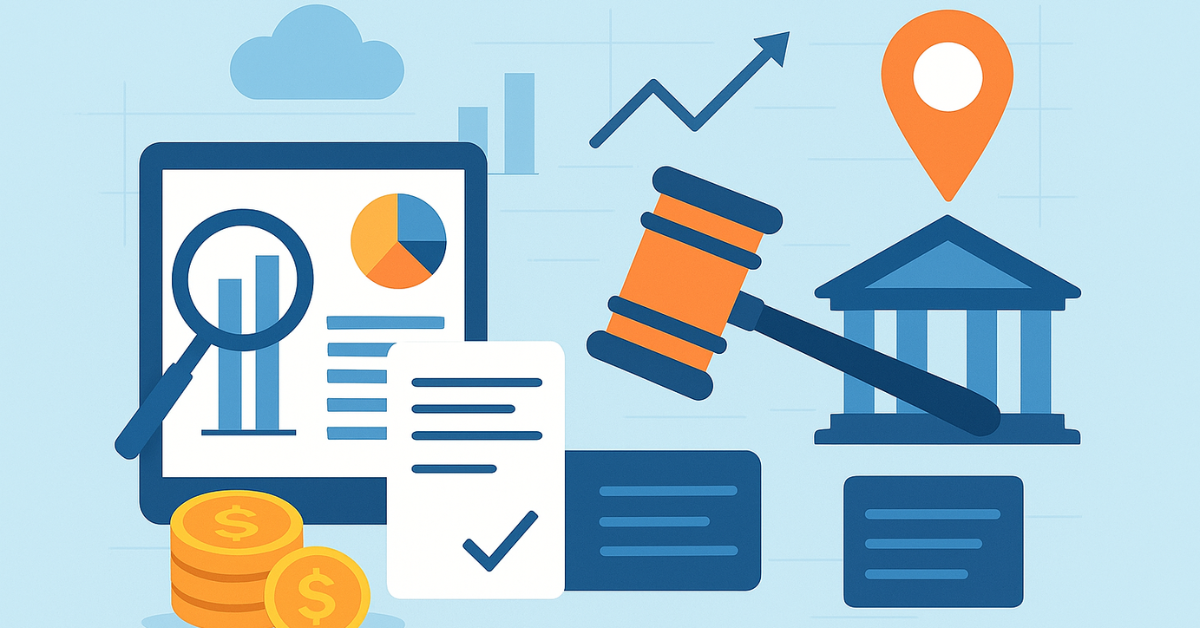
Market Intelligence for Public Procurement How Intelligence Tools Give You a Competitive Advantage

What is a Tender in the Public Sector? – Hermix

What is a Tender in the Public Sector - Hermix - Knowledge base

Whether you’re a supplier trying to win your next public contract or just trying to decode procurement jargon, you’ve probably stumbled across the term “tender” or “public tender” more times than you can count. But what is it, really? What does it mean to submit a bid? And how does this all fit into the broader procurement puzzle?

Our article breaks it down for you: from the tender definition to how the entire tender process works, including documents, evaluations, deadlines, and what it takes to win. If you’ve ever been confused by the difference between a tender and a bid, wondered how public sector procurement works, or struggled to get, read, analyze, understand, and process the documents required for construction tenders, this one is for you.

As a side quest, we’ll also show you how platforms like Hermix use AI to make the whole process not just bearable, but simpler, more strategic, and surprisingly smart.

Let’s start, shall we?

1. What is a tender? The real meaning of tender in procurement

The term “tender” in business is referred to as a formal offer to supply goods or services at a specified price. In the process, when an organization needs a product, service, or project completed, it will issue a request for tender (RFT). Companies or individuals then submit a bid, also called a tender offer, in response to that request.

In simpler terms, a tender is usually a formal invitation to do business. It’s the entire structured process that helps organizations, especially in the public sector, find the most suitable supplier based on price, quality, experience, and other evaluation criteria.Knowing the tender definition helps clarify a lot of the bureaucratic noise. A tender is a formal process, designed to be fair and transparent. Whether it’s an open tender or a call for bids, the aim is to ensure that every bidder competes on equal ground.

2. What’s the difference between a tender and a bid?

Here’s a classic confusion: is a tender the same as a bid?

Short answer: not exactly.

  • A tender is the entire process: from the initial invitation to tender, to the submission, evaluation, and awarding of the contract.
  • A bid is the response: the actual proposal or offer submitted by a company or individual.

So, the bid must follow the requirements of the tender. While the buyer’s organisation publishes a tender, it’s the bidder (or supplier) who submits a bid. The key is that every tender document defines the rules, scope, and expectations, and your bid follows that structure.

Understanding the difference between tender and bid helps you approach the bidding process with the right mindset and strategy.

3. How does the tender process actually work?

The tender process typically involves multiple steps:

  1. Tender notice or advertisement: The organisation issues a tender notice, often on dedicated portals.
  2. Request for information (RFI) or expressions of interest may be published to assess market readiness.
  3. Request for tender (RFT): Full details and documents are made available.
  4. Tender submission: Interested suppliers submit their bids within a specified deadline.
  5. Evaluation of tender submissions: Bids are scored based on evaluation criteria.
  6. Awarded the contract: The winner is chosen and notified.

The process is governed by rules meant to ensure the process is fair, especially when it comes to public tenders. The public procurement process can also involve a pre-qualification questionnaire (PQQ) for more complex contracts.

Modern tender processes have grown increasingly sophisticated, making use of procurement portals and sometimes even automated evaluation systems. The process involves multiple stakeholders, including procurement professionals, technical experts, and decision-makers who collectively assess each submission against predetermined criteria. This collaborative approach ensures that the winning tender represents the optimal combination of technical capability, commercial competitiveness, and overall value proposition.

Timing is crucial. Miss a deadline, and your tender response may be disqualified, even if it’s perfect. 

Create your free account and start winning public contracts, easier.

4. What is included in a tender document?

A tender document is a bundle of everything a supplier needs to know and respond to. It typically includes:

  • Scope of works or services
  • Contract conditions
  • Evaluation criteria
  • Documents required (like certifications or past project examples)
  • Bid price expectations
  • Deadline and submission format

Think of it as the blueprint. Your response is the architectural design that must fit the blueprint exactly. A mistake in understanding the terms of the documents required can cost you the contract.

Hermix simplifies this step using AI-based tender summarization, pulling out key points from 500-page technical annexes into one smart overview.

5. What makes a tender offer competitive?

A competitive tender offer distinguishes itself through a combination of technical excellence, commercial competitiveness, and strategic positioning. The most successful tender offers demonstrate a clear understanding of the client’s needs while presenting innovative solutions that deliver exceptional value for money. Developing a winning tender offer requires careful analysis of evaluation criteria and strategic alignment of your organisation’s capabilities with the client’s requirements.

The offer must address all aspects of the evaluation criteria while highlighting your organisation’s unique strengths and competitive advantages. This includes showing relevant experience, technical capability, financial stability, and commitment to quality assurance. The formal offer should present a compelling narrative that positions your organisation as the ideal partner for delivering the required outcomes.

Creating a standout tender offer also involves understanding the broader context of the specific needs, including the client’s strategic objectives, operational challenges, and long-term goals. The most successful tender offers go beyond simply meeting the minimum requirements to propose value-added solutions that enhance the client’s operations and deliver measurable benefits. This approach demonstrates strategic thinking and positions your organisation as a trusted partner rather than just another supplier.

Simpler said, to stand out in a sea of tender offers, your bid needs:

  • A clear value for money proposition
  • Strong unique selling points
  • Strict compliance with every requirement in the tender documentation
  • Proper quality assurance processes
  • Clear articulation of your bid strategy

A competitive offer also means understanding the buyer’s priorities, aligning your tender response with the evaluation criteria, and showing how your solution meets the contract value in both price and quality.

Platforms like Hermix can help identify historical price ranges, past winners, and contract sizes, helping you sharpen your bid strategy.

6. How to prepare a tender response that wins

Crafting a winning response takes time, clarity, and structure:

  1. Read the tender documents carefully. Use tools like Hermix to generate AI summaries if you’re short on time.
  2. Structure your response according to the format requested.
  3. Use a professional bid writer or expert in full tender writing, especially for complex or high-value tenders.
  4. Highlight your success rate, past projects, and how you meet the requirements of the tender.
  5. Attach all documents required, formatted and labelled properly.

Many companies invest heavily in bid management and bid writing to improve outcomes. The better your understanding of the tender is evaluated, the stronger your chances of creating a winning tender.

7. What is competitive tendering and why is it important?

Competitive tendering is the practice of inviting multiple suppliers to submit their offers for the same project or contract. It ensures that the process becomes transparent and cost-effective.

Why is it important?

  • It ensures best value for money
  • Encourages innovation and quality
  • Opens access to contract opportunities for SMEs
  • Builds trust in the procurement process

The process may include an open tender, restricted tender, or negotiated procedures depending on the context. Competitive tendering allows both large and small firms to bid for contracts, assuming they meet the criteria.

8. How does public sector procurement differ from the private sector?

Here, the rules are stricter, transparency is a must, and the procurement in construction or other services follows formal laws (like the EU Procurement Directive).

Key differences:

  • Public sector requires publishing every tender advertisement
  • Tenders must be evaluated using pre-published criteria
  • There’s emphasis on social value, sustainability, and non-discrimination
  • Every submission is subject to audit and public record

In the private sector, there’s more flexibility and often direct negotiation. But the lack of formal processes can lead to inconsistency.

For B2G sales, understanding these nuances is crucial. Hermix specializes in public sector analysis and helps companies optimize their process within this more rigid framework.

Create your free account and start winning public contracts, easier.

9. Why are construction tenders so detailed?

The construction sector is one of the most document-heavy industries when it comes to procurement. Why?

  • Complex design and build requirements
  • Risk mitigation through detailed specifications
  • Legal obligations for safety, compliance, and sustainability
  • Large contract values requiring robust planning

A construction contract might involve dozens of annexes, technical drawings, and safety compliance clauses. Tendering allows contractors to submit their bids based on these documents, with accuracy being vital.

Using Hermix, construction firms can streamline this overload: AI can extract and summarize technical requirements, and past construction tenders can be used to benchmark pricing and team requirements.

10. How can Hermix simplify the tender process for you?

Let’s face it: the traditional tender process is tedious. Companies spend hours reading, evaluating, and writing tender offers that might never get awarded.

Hermix.com flips the game:

  • Smart monitoring: Get notified about relevant tender opportunities across the EU.
  • AI tender summarization: Understand a tender in 2 minutes, not 2 hours.
  • Market intelligence: Analyze your competition, top suppliers, and pricing trends.
  • Opportunity qualification: Predict win chances based on your profile, skills, and past winners.
  • Bid automation: Draft structured responses aligned with tender requirements, including compliance checklists and reminders.

Hermix is the platform built by people who’ve done public sales for decades and are tired of doing it the hard way.

It helps organizations of all sizes (not just big corporations) improve the way they bid in the public sector and increase their success rate through smarter tools and actionable insights.

Key takeaways

  • A tender is a formal procurement process where organizations invite suppliers to submit a formal offer (or bid) for a product, service, or project.
  • The difference between tender and bid lies in who initiates it: the organisation issues a tender; the bidder submits a bid.
  • The tender process includes notices, submission, evaluation, and award and can be open, restricted, or negotiated.
  • Tender documents include everything from scope to evaluation criteria. They’re complex, but vital.
  • Your tender offer must meet all requirements and stand out by showing value for money and unique strengths.
  • Competitive tendering ensures fairness, access, and quality.
  • Public sector procurement is strict, transparent, and favors process over improvisation.
  • Construction tenders are detailed due to safety, compliance, and high values.
  • Hermix simplifies it all: monitoring, summarization, qualification, bid generation, and analytics, all under one roof.
  • With Hermix, you get the opportunity to win, save time, and compete smarter in public procurement.

If you want to stop drowning in documents and start winning contracts, it’s time to use Hermix. Visit Hermix.com to learn more or sign up for a free trial.


5 powerful ways to maximize Hermix for public procurement wins

5-powerful-ways-to-maximize-Hermix-for-public-procurement-wins

Working in the public sector can be challenging, with many rules, strong competition, and huge amounts of data to handle. Even though there is a lot of information available, most of it is not used effectively, making it hard for companies to find the right opportunities.

This is where Hermix helps, making it easier to win public contracts with tender monitoring and market intelligence based on AI.

1. Find the best public procurement opportunities faster

Winning public contracts starts with finding the right opportunities. With Hermix’s real-time monitoring, you can easily find new tenders from the European Commission and other public sector institutions.

Hermix allows you to filter tenders by country, industry, or contracting buyer, ensuring that you receive relevant updates tailored to your needs. This helps companies stay ahead in the procurement procedure and make informed decisions on which opportunities to pursue.

The most popular feature in 2024:  Alerts – Set notifications to receive the latest tender opportunities by email, every morning. 

Types of monitors: tender opportunities, contract awards, prior information notices, and changes in specific opportunities.

Latest update – You can set up and receive multiple alerts per day.

Alerts - Set notifications to receive the latest tender opportunities by email, every morning.

2. Focus on the right tenders with smart analysis

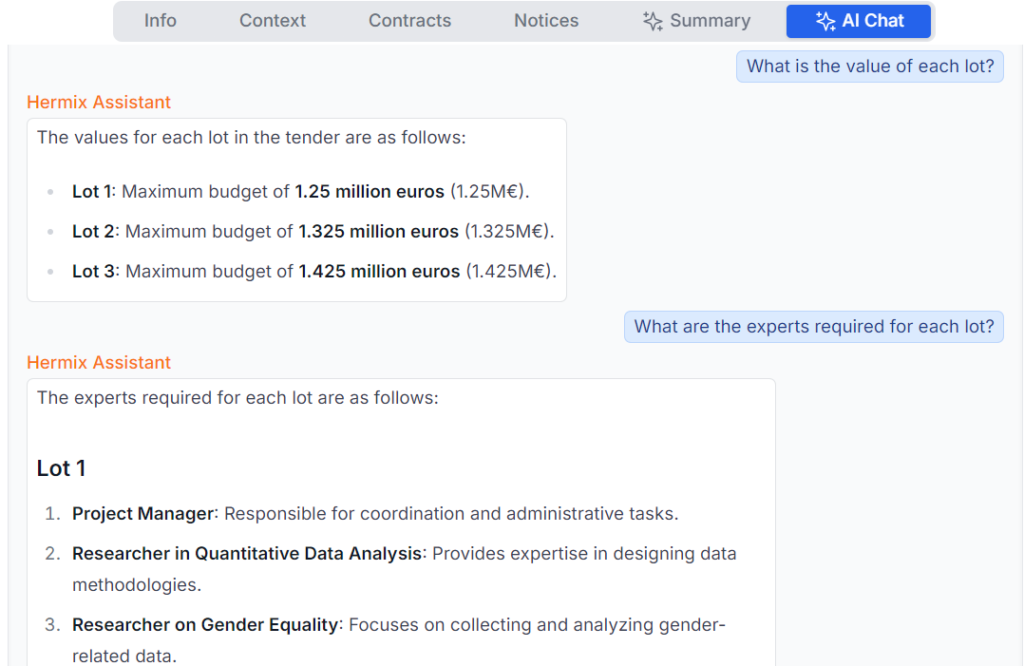
Not every tender is the right fit. Hermix’s AI features, including Tender Summarization and AI Chat, help companies determine which tenders align best with their strengths. The platform provides insights into past public procurement winners, highlights key competitors, and even predicts potential success rates, allowing users to optimize their bidding strategies in procurement contracts.

AI Tender Chat

3. Understand the public procurement market to beat your competitors

Hermix provides detailed analytics on public sector spending, major suppliers, and procurement trends across Europe. These insights help you identify new opportunities and refine your strategy.

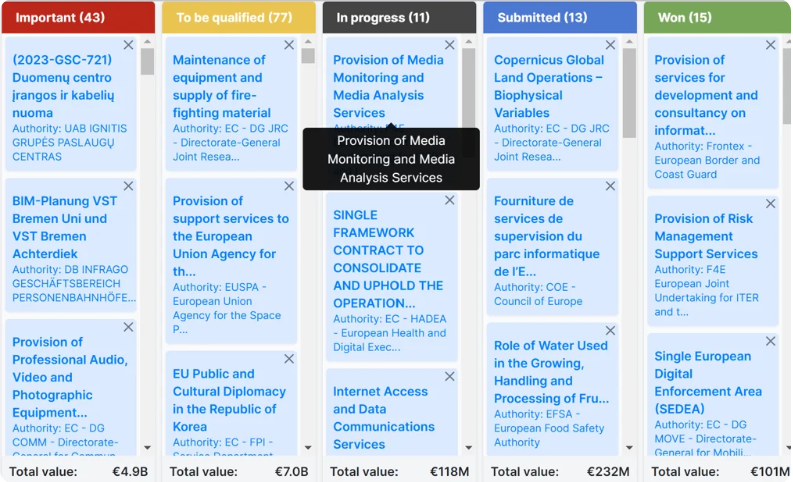
The most popular feature for better organization is the Flags Board. It helps you and your team members manage the flagged opportunities of their organization, in a Kanban board.

Flags board

4. Explore EU Spending for bigger opportunities

The European Commission allocates billions in funding for various projects. Understanding how and where the money is spent can open doors for businesses looking to secure EU public procurement opportunities. Hermix provides in-depth data on government procurement trends, key suppliers, and industry-specific spending patterns, helping businesses align their strategies with emerging funding opportunities.

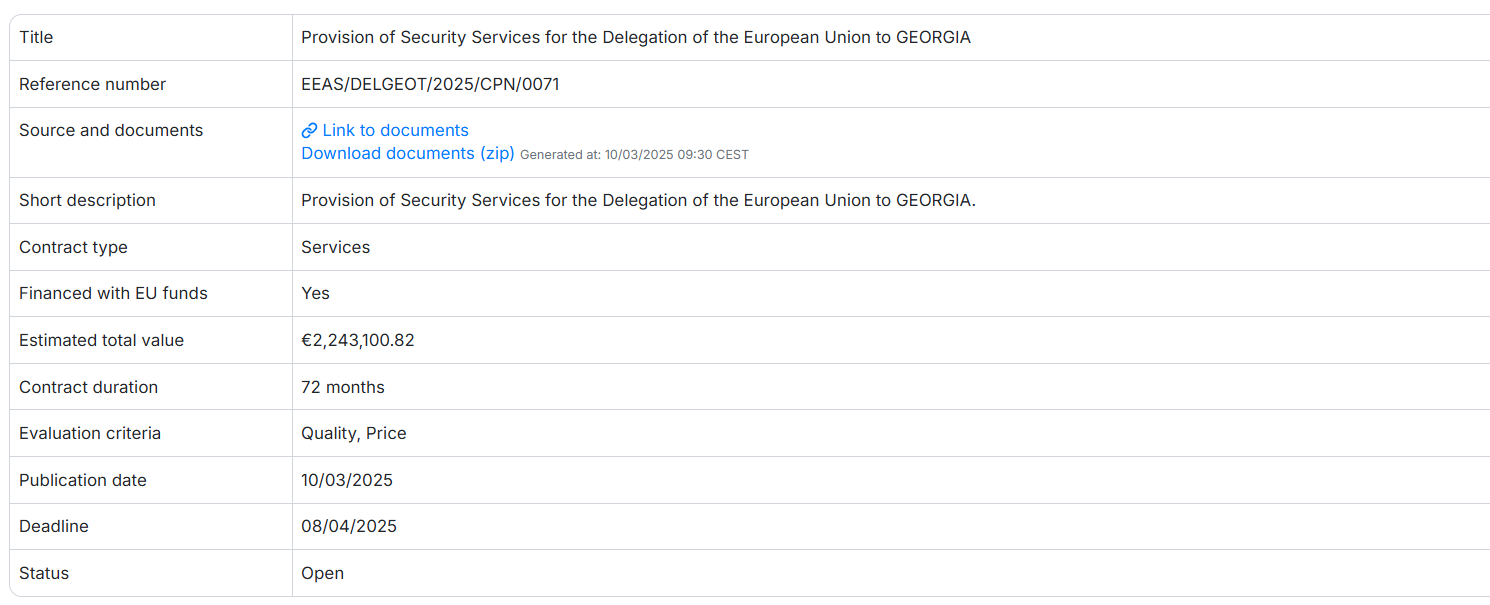
Good to know: You can download all EC tender files as a single ZIP, streamlining workflows.

download all documents EC tender files as a single ZIP

5. Work with team collaboration tools

Public procurement is a team effort. Hermix simplifies this process with collaboration tools like Kanban boards and shared workspaces. These features enable teams to track tenders, assign tasks, and ensure seamless communication throughout the procurement procedure.

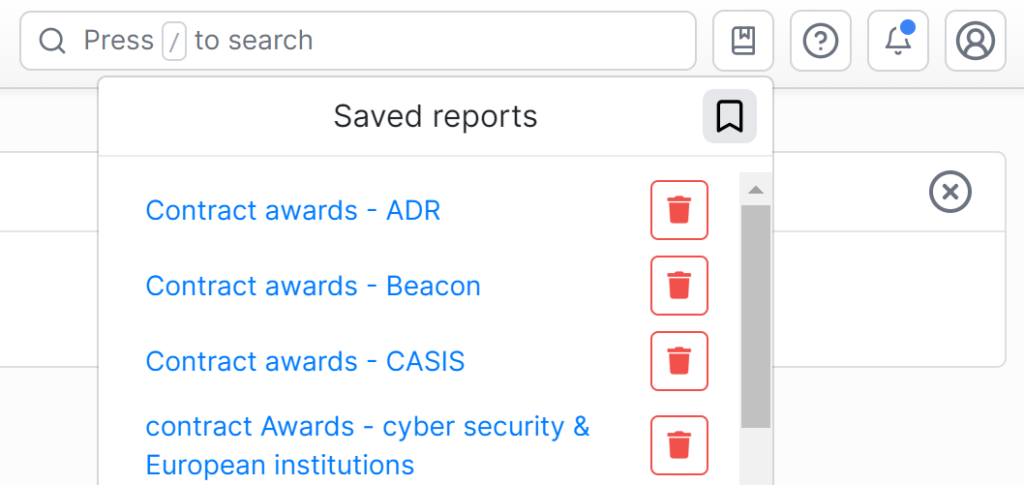
Tip:  Saved reports feature can now be shared with colleagues.

Saved reports

Conclusion

By implementing these five strategies, companies can maximize the benefits of Hermix and enhance their success in public procurement. With AI features, tender monitoring, in-depth market intelligence, collaboration tools, and email alerts, Hermix helps organizations stay ahead in the competitive public procurement market.


Hermix at WAICF: Transforming public procurement with AI

World AI Cannes Festival 13-15 February 2025

Smiles and excitement as we took the stage for the first time at the WAICF – World AI Cannes Festival. This amazing event brings together AI experts and industry leaders to explore how AI is shaping our future.

We disrupt public procurement

The speech and discussions of Stefan Morcov, CEO of Hermix, at the WAICF conference in Cannes on February 13, 2025

We are Hermix: a technology platform that helps companies win public contracts. We analyze huge amounts of data to generate leads, qualify tenders, automate bids, and generate proposals.

We use Machine Learning to clean up data, and GPT models to analyze specifications and support bids.

We support the sales teams for companies like Capgemini, Fujitsu, Indra, OTE, Cancom, Wipro, Aricoma, Euroforce, and Technopolis.

We stand at the intersection of great opportunities. Not risks, not challenges, but immense potential. This is the convergence of vast computing power, advanced algorithms, and cutting-edge technology, particularly in big data science and artificial intelligence. These innovations meet a sector that remains inefficient, formal, heavy, and bureaucratic – yet accounts for 14% of GDP. 2 trillion per year.

This is not just a challenge. It is an extraordinary opportunity. The impact is overall, affecting quality, efficiency, and cost.

It is also a great opportunity for us at Hermix. What we are building is both new and unique, offering a significant chance to disrupt public sector procurement and sales.

Impact for public buyers and policy

The speech and discussions of Stefan Morcov, CEO of Hermix, at the WAICF conference in Cannes on February 13, 2025

The impact for public buyers and policy includes: efficiency, transparency, competition, and delivery quality. This impact is similar to the introduction of CRMs or eCommerce.

However, there are challenges faced by buyers, suppliers, and non-governmental organizations like:

  • Availability of data, which is high.
  • Quality of data, which is low.
  • Meaning of data: Hermix is unique, with our 9 million contracts analyzed.

We collaborate with the University of Luxembourg, KU Leuven, and Eureka, along with experts like Joep Crompvoets and Michel Bosco. The discussions from WAICF highlight the opportunity to further advance policy and governance in this area.

We will organize a live webinar with these exceptional experts on May 5, where we will discuss Data Governance and AI in the Public Sector & Procurement. Register now.

the WAICF conference in Cannes on February 13 2025

A great new era in public procurement

Hermix transforms public procurement, with tender monitoring and market intelligence based on AI. Together with our clients and partners, we will streamline and change the future of public sector procurement and policy.

This article is based on the speech and discussions of Stefan Morcov, CEO at Hermix, at the WAICF conference in Cannes on February 13, 2025. Stefan along with Michel Bosco, Christophe Seynaeve, Emma O’Connell, Régine Resbeut Montanella, Emma Taillefer, and Julien Perez have done presentations on the AI and Public Procurement panel.

WAICF event 2025


This work was supported by a grant of the Ministry of Research, Innovation, and Digitization, CNCS/CCCDI-UEFISCDI, project number EUROSTARS-3-E!4222-Hermix-Grants, within PNCDI IV.