
Quick summary:
This guide explains how public sector procurement works in the UK, what procurement policy means for suppliers, and why navigating public procurement rules has become more complex than ever. More importantly, it shows you how to cut through this complexity and win contracts systematically. If you’re spending hours tracking tenders across multiple portals, reading hundreds of pages of specifications, and still struggling to qualify opportunities effectively, this guide is worth reading.
What is public sector procurement and why does it matter?
Public sector procurement is how public authorities buy goods and services using public money. The UK public sector spends approximately £385 billion annually on procurement – a massive market opportunity for suppliers of all sizes.
The procurement process follows strict procurement regulations designed to ensure fairness, transparency, and accountability. Every public body, from central government to local authorities, must follow clear procurement rules when spending taxpayers’ money.
This structured approach creates both opportunities and challenges. On one hand, public sector procurement supports a wide range of suppliers, including SMEs, creating predictable contract opportunities. On the other hand, navigating the system requires understanding complex legislation, monitoring multiple platforms, and investing significant time in commercial qualification.
The scale is significant, but so is the complexity. Most suppliers waste 50% of their presales time on manual research and tender reading – time that could be spent on strategic positioning and proposal writing.
How has procurement policy changed under the Procurement Act 2023?
The Procurement Act 2023 modernises procurement policy across the UK public sector, introducing new procurement legislation that came into force on 24 February 2025. Government departments must now align with updated rules aimed at improving competition, increasing transparency, and simplifying processes.
The Cabinet Office has published extensive guidance documents explaining how contracting authorities must apply the Act. These documents cover everything from tender notices to evaluation criteria and contract management.
The challenge for suppliers: More transparency means more data to process. The Act introduces mandatory pipeline notices, assessment summaries, contract details notices, and contract change notices. While this visibility helps strategic planning, it creates an overwhelming volume of information to monitor.
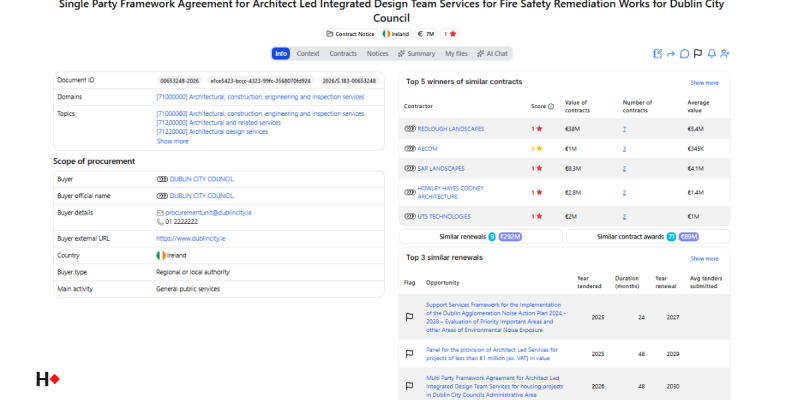
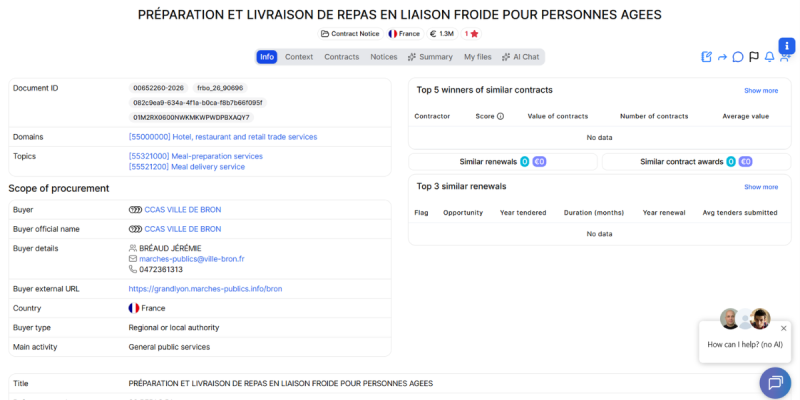
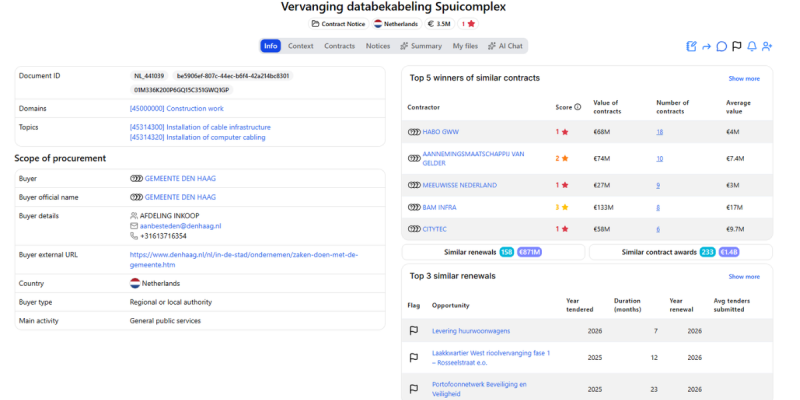
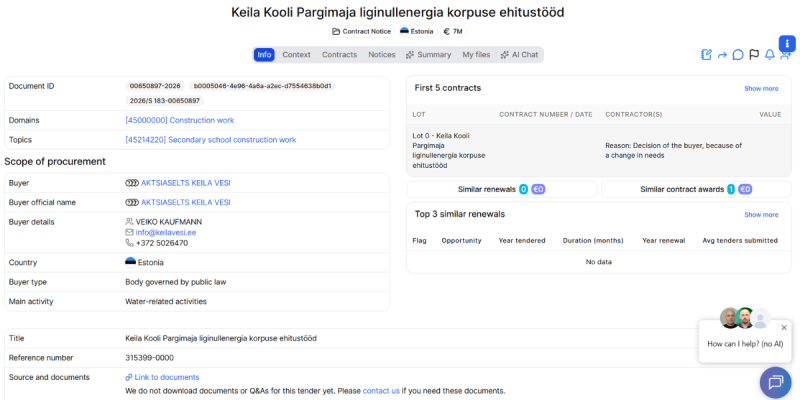
Where Hermix adds value: Rather than manually tracking notices across dozens of portals, Hermix aggregates all this data automatically. You see relevant opportunities with context – past winners, budget history, authority profiles – without spending hours researching each procurement pathway stage.
What does the national procurement policy statement mean for suppliers?
The national procurement policy statement sets strategic priorities that buyers must follow. Every contracting authority must consider social value, sustainability, and commercial efficiency when planning procurement opportunities.
For suppliers, this means understanding what buyers prioritize before responding. The statement emphasizes:
- Value for money over the lowest price
- Support for SMEs and social enterprises
- Innovation and early market engagement
- Quality outcomes and fair employment practices
The practical challenge: Each public sector organisation interprets these priorities differently. Understanding how a specific authority weighs social value versus price versus innovation requires researching their procurement history, past contract awards, and evaluation patterns.
How Hermix helps: Hermix provides deep authority profiles showing procurement behavior over time. You see what types of suppliers they favor, typical budget ranges, evaluation patterns, and preferred contract structures. This intelligence lets you tailor your positioning to match specific buyer priorities rather than guessing.
How do you actually find relevant procurement opportunities efficiently?
Here’s the reality: Public authorities publish tenders on multiple platforms. Find a Tender covers high-value contracts (above £139,688). Contracts Finder handles lower-value opportunities (£12,000+). Scotland has Public Contracts Scotland. Wales has Sell2Wales. Northern Ireland uses eTendersNI.
That’s just the UK. European procurement adds 200+ additional portals across member states.
The time cost: Checking these platforms daily takes hours. Setting up alerts helps, but you still receive irrelevant notifications. A typical business development manager might see 50+ tender notices weekly, of which perhaps 3-5 are genuinely relevant.
Reading tender documents to assess relevance takes 30 minutes to 2 hours per opportunity. Commercial qualification – understanding the buyer, competition, and your win probability – takes another 2+ hours for simple tenders, up to 2-3 days for complex opportunities.
The Hermix solution: Hermix monitors 200+ procurement portals automatically, indexing 2.6 million tender notices across Europe. You set your filters once – keywords, industries, geographies, contract values – and receive only relevant opportunities. Daily email alerts bring pre-filtered tenders directly to your inbox.
More importantly, Hermix’s AI Tender Summarization reads 300-page specifications and extracts key information in seconds: budget, evaluation criteria, required experts, deadlines. What took 2 hours now takes 2 minutes.
What are procurement frameworks, and how do they create opportunities?
Procurement frameworks and framework agreements are pre-approved supplier arrangements that help contracting authorities simplify complex buying processes. When a public sector contract falls under a framework, buyers can make call-offs without running full tender procedures each time.
This benefits suppliers through predictable access to contract opportunities. Once on a framework, you compete only against other framework members rather than the entire market. Contract renewal patterns become more predictable.
However, frameworks still require strong commercial intelligence. Understanding which frameworks cover your services, when they expire, and who the incumbent suppliers are takes research.
Hermix’s framework intelligence: The platform tracks framework agreements, contract renewal dates, and call-off patterns. You see upcoming renewal opportunities months in advance, giving you time to engage with buyers before tenders publish. The contract renewal calendar visualizes when major contracts expire, helping you build a pipeline of realistic opportunities.
What is the procurement pathway, and why does it matter for your strategy?
The procurement pathway is an official Cabinet Office tool designed to guide UK public sector contracting authorities through the end-to-end commercial lifecycle. It breaks procurement into stages: Plan, Define, Procure, and Manage.
Understanding this pathway helps suppliers anticipate buyer behavior. You know when to engage (during market research phases), what documentation buyers need (at different procurement stages), and how decisions get made (through governance checkpoints).
The strategic challenge: Each contracting authority is at a different stage across multiple procurements. Knowing which authorities are in planning stages for your service areas – before tenders publish – gives you 6-12 months advantage for relationship building.
Hermix’s prior information notices: The platform tracks prior information notices and pipeline notices, showing you what authorities plan to procure before formal tenders launch. This early visibility lets you engage during market engagement phases, potentially shaping requirements before competition begins.
How does the public sector equality duty affect your proposals?
The public sector equality duty requires contracting authorities to consider equality and inclusion throughout the procurement process. This affects requirement definitions, evaluation criteria, and contract delivery monitoring.
Suppliers must demonstrate how their goods or services support equality objectives. This might include workforce diversity, accessibility features, or community benefits. Authorities assess these commitments during bid evaluation, often as part of social value scoring.
Practical implications: You need to understand each authority’s equality priorities before writing proposals. Generic equality statements score poorly. Specific, measurable commitments aligned with the buyer’s published equality objectives score well.
Hermix’s buyer intelligence: Authority profiles show past procurement priorities, including social value weightings and equality focus areas. You see what commitments won similar contracts, helping you craft relevant, high-scoring responses rather than generic compliance statements.
What’s the real difference between public and private procurement?
Public procurement is subject to strict rules, while private procurement allows flexibility. Public authorities must meet formal standards, comply with the public sector equality duty, and justify spending decisions publicly. Private sector procurement moves faster with fewer reporting obligations.
Public procurement must follow procurement legislation, published guidance, and government updates. Evaluation must be objective and documented. Challenge periods give unsuccessful bidders time to query decisions.
Why this matters for suppliers: Understanding these constraints helps you work with the system rather than against it. Public sector buyers can’t negotiate freely. They must follow published evaluation criteria. They can’t favor incumbents without justification.
The opportunity: This transparency means you can analyze past procurement behavior to predict future decisions. If an authority has awarded 15 similar contracts to specific supplier types at certain price points, you can position accordingly.
Hermix’s competitive intelligence: The platform analyzes contract awards across 7.2 million contracts, showing you authority spending patterns, preferred suppliers, typical contract values, and evaluation trends. This data-driven approach replaces guesswork with evidence.
How do you cut qualification time and focus on winnable opportunities?
Here’s the brutal truth: Most suppliers bid for too many tenders with too little qualification. They chase opportunities where they’re not competitive, waste resources on detailed proposals, and achieve 10-20% win rates.
High-performing suppliers qualify ruthlessly. They pursue fewer opportunities with deeper analysis, achieving 50-70% win rates.
The qualification challenge: Effective qualification requires answering:
- Who won similar contracts? (competitive positioning)
- What did winners charge? (pricing intelligence)
- What are the buyer’s priorities? (requirement alignment)
- Who else might bid? (competitive landscape)
- What’s our realistic win probability? (go/no-go decision)
Answering these questions manually takes 2 hours minimum for simple tenders, often 2-3 days for complex opportunities. Most suppliers skip this work and bid anyway.
Hermix’s commercial qualification: For every tender, Hermix automatically shows:
- Past winners of similar contracts – see your competition
- Contract values and budgets – price realistically
- Authority procurement history – understand buyer preferences
- Profili dei contraenti – analyze competitor capabilities
- Partnership analysis – identify potential teaming partners
What took days now takes minutes. A 4-person sales team using Hermix delivers the work of 6 people because they eliminate manual research time.
How does procurement legislation protect taxpayer money (and create supplier opportunities)?
Procurement legislation ensures public money is spent responsibly. Contracting authorities must demonstrate that competition and value for money have been achieved. When procurement rules are followed properly, the risk of waste or unfair treatment decreases.
The Cabinet Office and government departments issue regular guidance on spending, compliance, and procurement priorities. When the government publishes new regulations, authorities must adapt quickly.
For suppliers, this creates predictability. You know:
- Tenders above certain thresholds must be advertised publicly
- Evaluation criteria must be published upfront
- Authorities must document their decisions
- You have the right to request feedback and challenge decisions
The complexity cost: Staying current with changing guidance, regulations, and policy notes takes time. The Procurement Act 2023, Procurement Regulations 2024, and the national procurement policy statement all launched together in February 2025, creating a learning curve for everyone.
Hermix keeps you current: The platform updates automatically as regulations change. New procurement portals get added. Data stays current. You don’t need to become a procurement lawyer – you just need to find and win relevant contracts.
Why manual procurement monitoring fails in 2025
Let’s be specific about the problem:
Time sink: Checking 5-10 procurement portals daily = 30-60 minutes Noise: 50+ tender alerts weekly, 90% irrelevant = hours filtering
Reading specs: 2 hours per tender × 10 tenders weekly = 20 hours Commercial research: 2+ hours per qualified opportunity = another 10-20 hours Total: 40-60 hours monthly on activities that could be automated
That’s 1-1.5 FTE doing manual data entry work instead of strategic sales.
The European challenge: If you pursue cross-border opportunities, multiply this by country. German procurement portals work differently from Belgian ones. Romanian tenders use different formats than Dutch ones.
Most UK suppliers ignore European opportunities entirely – not because they can’t deliver, but because monitoring is too complex.
Hermix’s European coverage: The platform aggregates tenders from TED, e-Tendering, EU Funding Portal, national portals in Belgium, Netherlands, Norway, Romania, Germany, and more. One search covers all sources. One alert delivers all relevant opportunities. One platform provides all context.
You can pursue European contracts as easily as UK ones because the research complexity disappears.
How to actually improve your public sector win rate
Winning more contracts requires three things:
1. See the right opportunities early
- Monitor comprehensively (you can’t bid what you don’t see)
- Filter ruthlessly (focus on realistic opportunities)
- Engage early (prior information notices and pipeline notices)
2. Qualify effectively
- Understand the buyer (procurement history, preferences, budgets)
- Analyze competition (who wins similar contracts and why)
- Definisci il prezzo in modo intelligente (valori contrattuali tipici per ambiti comparabili)
3. Proporre strategicamente
- Rispondi ai requisiti dichiarati (non a ciò che pensi che servano).
- Fornire prove (casi di studio di autorità simili)
- Differenziati chiaramente (spiega perché tu sei la scelta migliore rispetto alle alternative più ovvie).
Il collo di bottiglia: Le fasi 1 e 2 in genere consumano 50% di tempo di prevendita. Tuttavia, si tratta per lo più di attività di raccolta dati che possono essere automatizzate.
Fase 3 – la stesura vera e propria della proposta – dovrebbe richiedere 80% di tempo di prevendita, ma di solito viene compressa perché la fase di qualificazione ha richiesto troppo tempo.
Aumento di efficienza di Hermix: Automatizzando l'identificazione delle opportunità e la qualificazione commerciale, Hermix permette al tuo team di concentrarsi sul posizionamento strategico e sulla creazione di proposte convincenti. Il risultato: più tempo dedicato ad attività che generano effettivamente contratti e meno tempo impiegato in ricerche manuali.
I team che utilizzano Hermix segnalano:
- Riduzione 87% nel tempo della ricerca di mercato
- Riduzione 85% nel tempo di analisi del riepilogo delle offerte
- Riduzione 75% in dettaglio tempo di qualificazione
- 50% aumento nelle opportunità pertinenti individuate
- Riduzione 60% nei tempi di preparazione della proposta (se combinato con strumenti di intelligenza artificiale)
Il costo reale di un'inadeguata informazione sugli acquisti
Consideriamo uno scenario tipico:
Azienda: Azienda di servizi IT di medie dimensioni, 50 dipendenti
Bersaglio: Contratti con il settore pubblico del Regno Unito e dell'UE
Squadra: 4 addetti allo sviluppo commerciale, 1 responsabile prevendita
Approccio attuale: Monitoraggio manuale, tracciamento tramite Excel, ricerca su Google
Costo annuale:
- Spreco di tempo: 40 ore/mese × 5 persone × 50 €/ora = 120.000 €
- Opportunità mancate: 20-30 offerte pertinenti mai viste = potenziale fatturato di 2-5 milioni di euro
- Bassa percentuale di vittorie: 15% (perché presentano offerte per opportunità poco qualificate)
- Spreco di proposte: 40 proposte scritte, 34 perse = 170.000 euro sprecati in offerte non andate a buon fine
Costo totale nascosto: Oltre 290.000 euro all'anno in tempo sprecato e opportunità perse
Con Hermix:
- Tempo risparmiato: 35 ore/mese × 5 persone = 175 ore riassegnate al lavoro strategico
- Opportunità: Consulta le gare d'appalto più pertinenti del codice 50% tramite un monitoraggio completo.
- Percentuale di vittorie: Miglioramento alla versione 40-50% grazie a una migliore qualificazione.
- Efficienza: Scrivere meno proposte, ma di qualità superiore, con maggiori probabilità di successo.
ROI: La piattaforma ha un costo irrisorio rispetto allo stipendio di un redattore di proposte, offrendo al contempo un aumento di efficienza a sei cifre.
Cose fondamentali da ricordare
- Gli appalti del settore pubblico nel Regno Unito ammontano a 385 miliardi di euro all'anno, ma richiedono di destreggiarsi tra complesse normative in materia di appalti e molteplici piattaforme.
- La legge sugli appalti pubblici del 2023 e il regolamento sugli appalti pubblici del 2024 hanno modernizzato il sistema il 24 febbraio 2025, aumentando la trasparenza ma anche il volume dei dati.
- La dichiarazione di politica nazionale in materia di appalti pubblici definisce le priorità strategiche relative al rapporto qualità-prezzo, al valore sociale e all'accesso delle PMI.
- Find a Tender e Contracts Finder sono piattaforme ufficiali, ma monitorarle manualmente, insieme a oltre 200 portali europei, richiede dalle 40 alle 60 ore al mese.
- Un approvvigionamento efficace richiede tre capacità: monitoraggio completo, qualificazione intelligente e posizionamento strategico.
- La ricerca manuale crea colli di bottiglia: più di 2 ore per ogni gara d'appalto per la lettura delle specifiche, 2-3 giorni per la qualificazione commerciale di opportunità complesse.
- La normativa in materia di pari opportunità e appalti pubblici crea obblighi di conformità, ma anche modelli di valutazione prevedibili che è possibile analizzare.
- Gli accordi quadro e i rinnovi contrattuali creano opportunità di sviluppo se monitorati in modo sistematico.
- Le elevate percentuali di successo (50-70%) derivano da una rigorosa qualificazione e da offerte selettive, non da approcci basati sul volume.
- Hermix automatizza la raccolta e l'analisi dei dati, consentendo al tuo team di concentrarsi sulla strategia e sulla qualità delle proposte anziché sulla ricerca manuale.
Pronti a smettere di perdere tempo con la ricerca manuale degli acquisti? Hermix Ti offre accesso immediato a 2,6 milioni di opportunità di gara europee, analisi basate sull'intelligenza artificiale e informazioni commerciali che riducono i tempi di qualificazione del 75%. Scopri come le piattaforme di intelligence per gli appalti trasformano le vendite nel settore pubblico.